Table Saw Kickback (Cause, Injuries & How to Avoid It)
Table saw kickback is a dangerous and all-too-common hazard for woodworkers. Learn what it is, its causes, and how to avoid being severely injured.
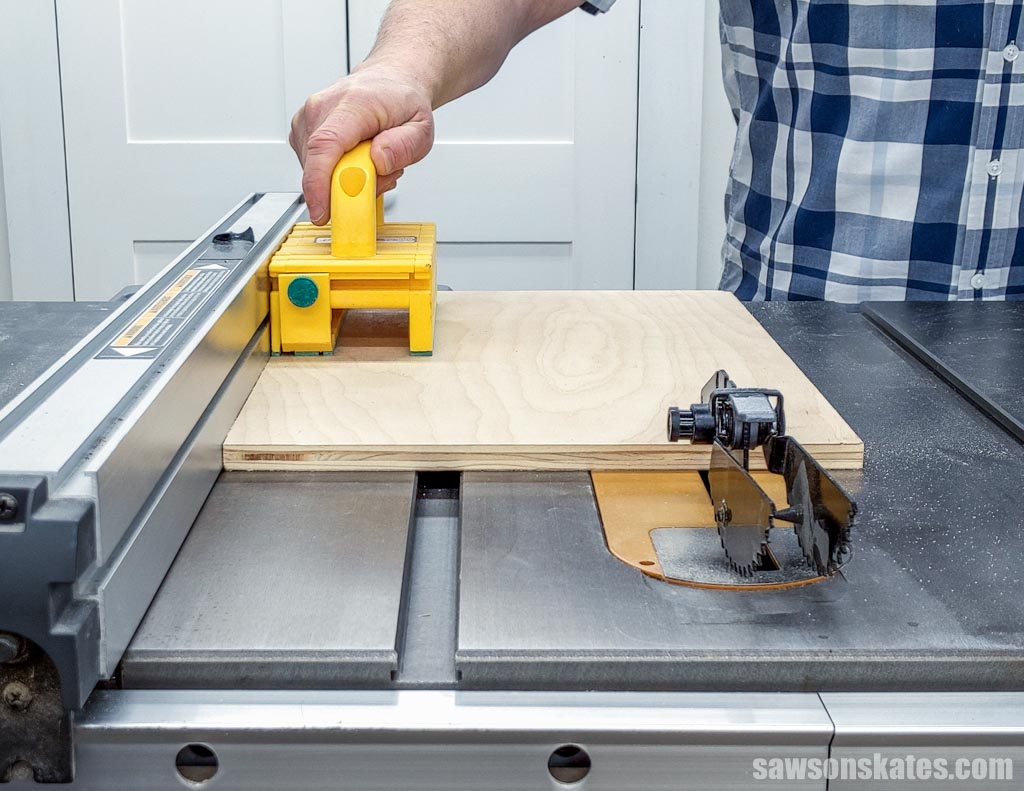
If you own a table saw, it is essential to understand the dangers of kickback, which can cause devastating injuries to you and those around you. In this article, I’ll discuss what table saw kickback is, what causes it, and the steps you can take to avoid it.
Table of Contents
This article contains affiliate links. If you purchase from these links, I may earn a small commission at no additional cost to you. Visit my site policies for more information.
What is Table Saw Kickback?
Table saw kickback occurs when your workpiece catches on the blade, forcing the material back toward you abruptly with great force and at high speed.
When propelled from the blade, a workpiece’s velocity is astonishing. I’ve read reports of them traveling anywhere from 120-140 miles per hour!
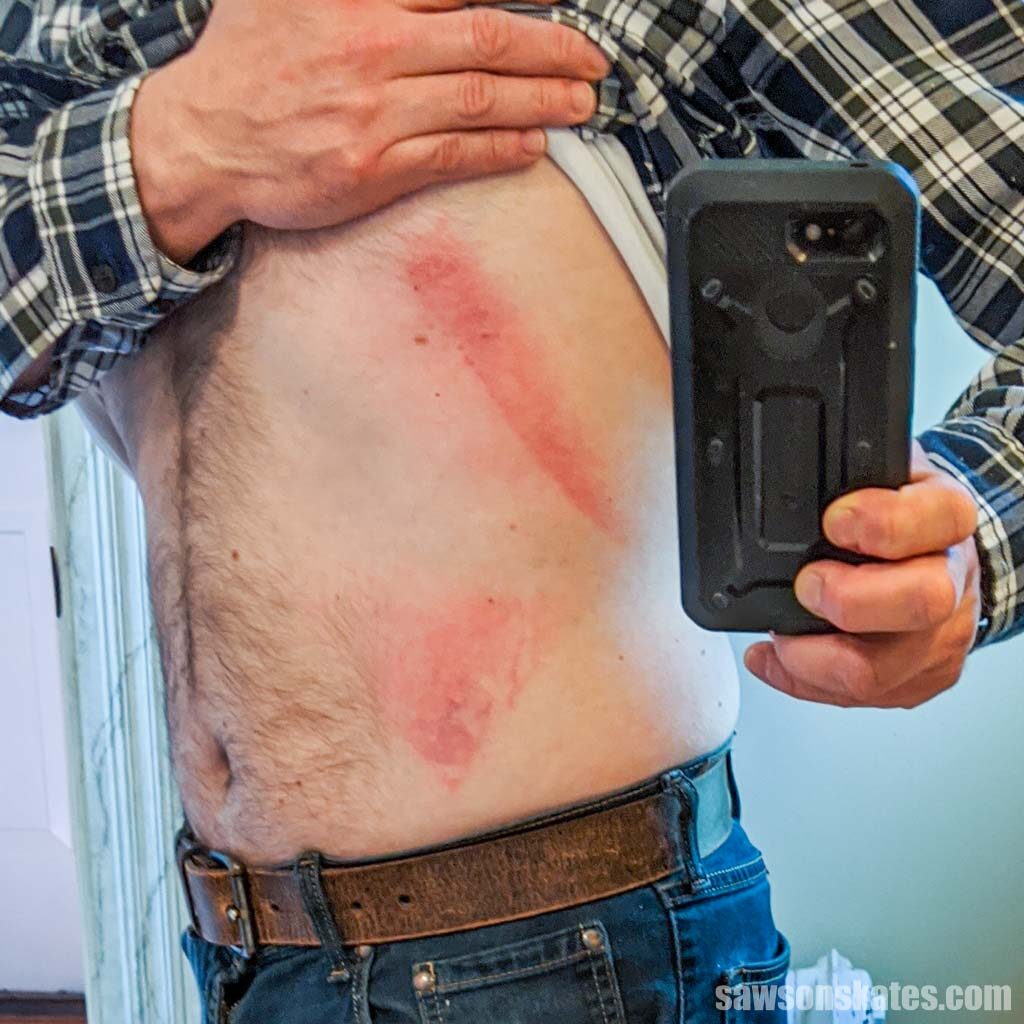
Boards traveling at this speed can cause injuries to you and those around you and damage anything in their path, including walls, doors, and windows. Severe injuries resulting from kickback include cuts, bruises, puncture woods, broken bones, and wounds to your eyes.
Additionally, when a workpiece kicks back, your hand can be pulled into the blade causing severe injuries such as deep cuts and finger amputations.
What Causes Kickback on a Table Saw?
Table saw kickback happens when the workpiece you’re feeding into the blade drifts away from the rip fence or when the material pinches the blade.
Next, we’ll look at how to reduce the risk of table saw kickback.
How Can Kickback Be Prevented?
The best way to prevent kickback is to maintain your saw and follow proper table saw safety techniques.
Related: 21 Table Saw Safety Rules (& Mistakes to Avoid)
Align the Rip Fence
When your rip fence is aligned correctly, the quality of your cuts improves, and the risk of kickback decreases.
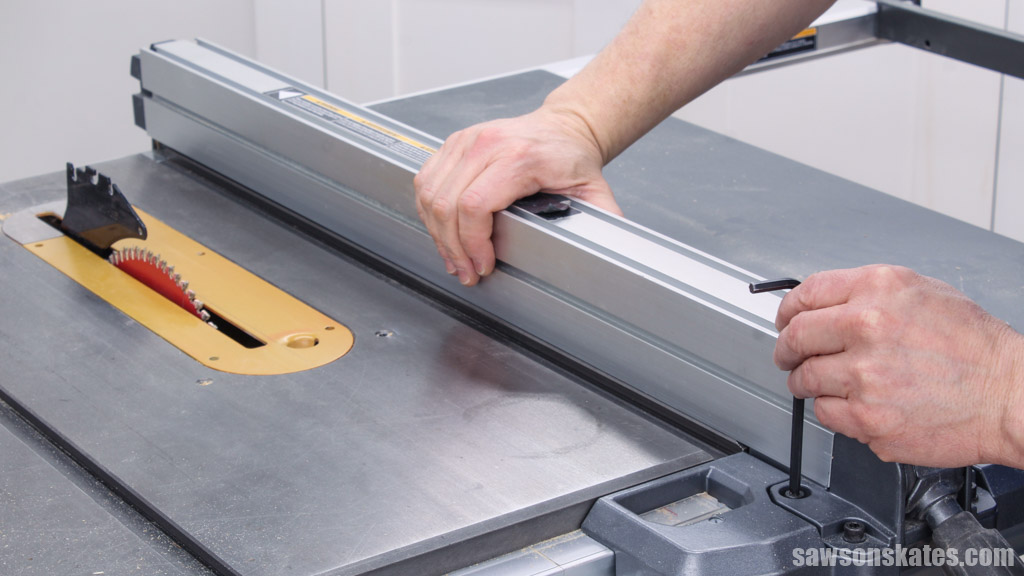
However, if your rip fence is misaligned, the edges of your workpieces can burn, and the material can bind, resulting in kickback.
For example, if the rear of your fence angles towards the blade, the workpiece can become wedged between the blade and the fence, causing it to burn. Even worse, it might be thrown toward you with great force.
For that reason, ensuring your rip fence is parallel to the blade is essential. Some woodworkers recommend slightly angling the rear of the fence away from the back of the blade as they believe it reduces the chance of the workpiece becoming trapped between them. That said, I adjust my rip fence so that it’s parallel to the blade.
To align my rip fence, I first make sure the blade is parallel to the miter gauge slot, then I adjust the fence so that it’s parallel to the slot.
Related: How to Tune Up Your Table Saw
Here’s a quick video demonstrating how to parallel a table saw’s rip fence:
Use a Riving Knife or Splitter
Riving knives and splitters are safety devices that help reduce the chance of kickback.
A riving knife is a narrow piece of metal situated behind the blade that follows its movements as its raised, lowered, or tilted.
Related: How to Adjust Table Saw Angle
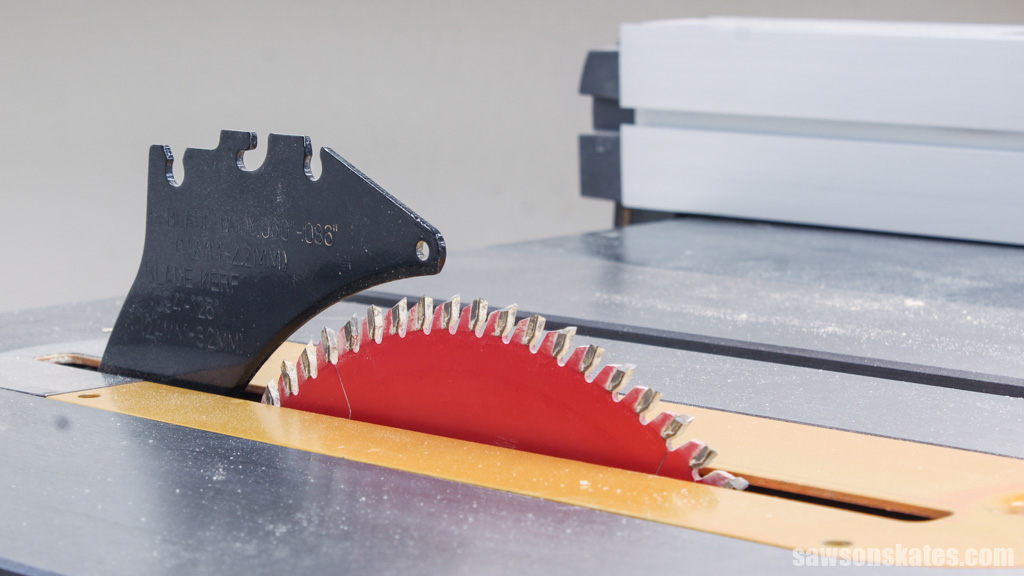
Similar to a riving knife, a splitter is located behind the blade; however, it’s fixed onto the table and does not move.
These devices are one of the best ways to prevent workpieces from catching on or pinching the blade, minimizing the risk of kickback.
If your workpiece drifts away from the fence, it can catch on the blade, causing it to be thrown toward you. However, if you have a riving knife or splitter installed, these devices can prevent the workpiece from snagging on the blade and reduce the chance of it kicking back.
Every so often, you’ll cut a board that is under tension, and when the pressure is released, it pinches the blade, which can cause it to kickback. Installing a riving knife or splitter can help prevent workpieces from pinching against the blade, reducing the risk of danger.
Use Anti-Kickback Pawls
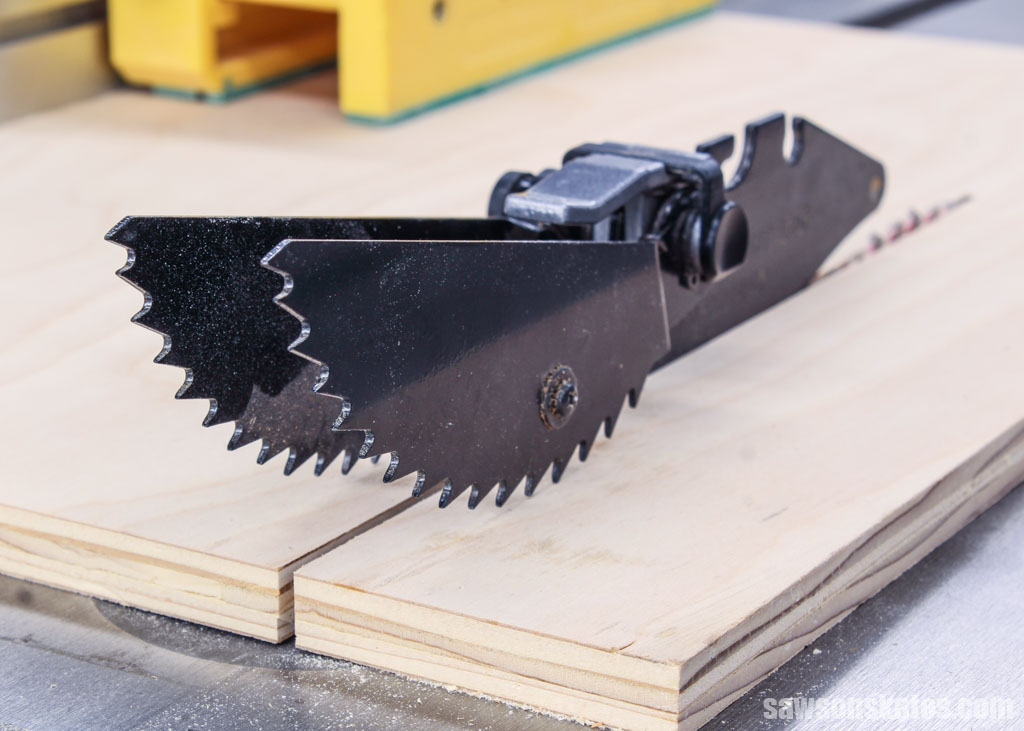
Anti-kickback pawls are curved metal devices with teeth-like serrated edges that attach to either side of the saw’s blade.
The pawls press against the material as you feed it through the blade allowing it to pass. However, if the workpiece begins to move toward you rather than away from you, the teeth dig in, preventing the material from kicking back.
Use a Push Block
A push block is a device that helps you guide the material as you feed it through the saw’s blade.
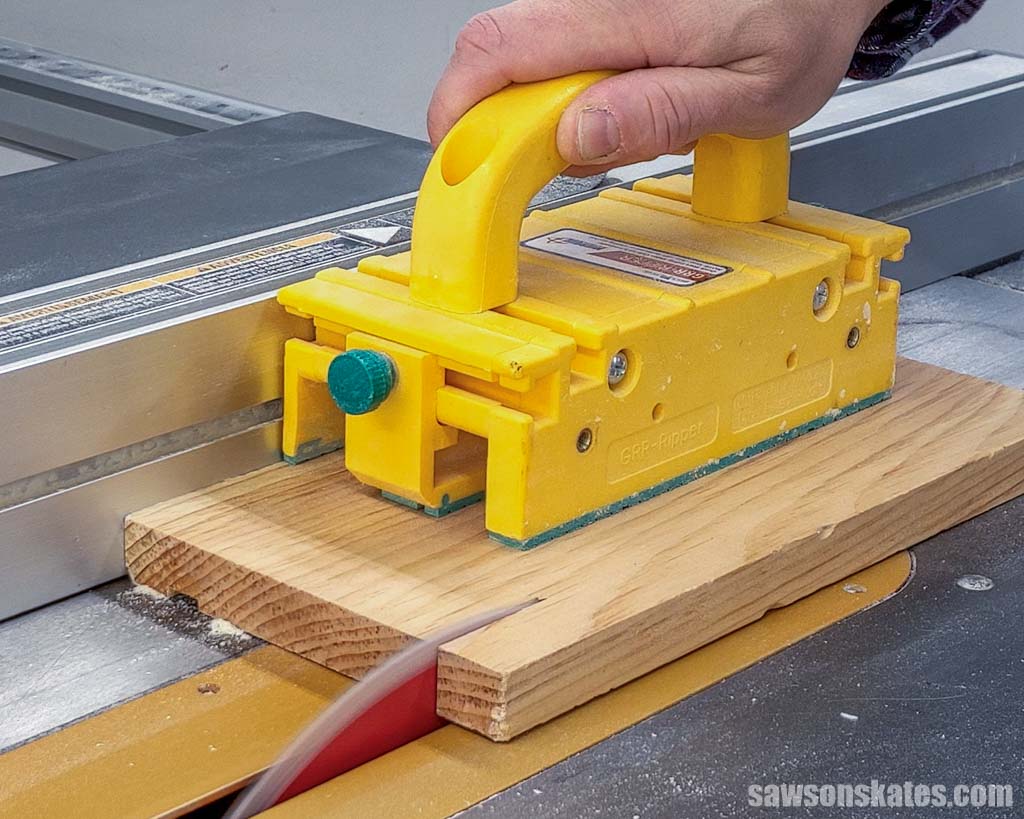
Woodworkers frequently use a push stick, a long wooden or plastic tool that guides material through the blade. Although push sticks can apply downward pressure to keep workpieces against the table, they lack the ability to apply pressure to keep them against the fence.
Additionally, using a push stick can be risky as it has the potential to act like a pivot point, resulting in your hand falling into the blade and causing a severe injury.
In contrast, a push block gives you greater control providing both downward pressure to keep workpieces against the table and sideways pressure to keep them against the fence. Unlike a push stick, a push block has a lower center of gravity which doesn’t create a pivot point.
Use Featherboards
A featherboard is an accessory that helps you make cleaner, straighter cuts while also helping to prevent kickback.

Frequently used with tools such as table saws and router tables, a featherboard’s angled finger-like slots apply constant pressure as you feed workpieces, keeping them flat against the table or fence.
Related: How to Use a Router Table for Beginners
Made from either plastic or wood, a featherboard’s flexible fingers act like a spring-loaded fence. The fingers allow material to pass freely in the direction of the blade while applying constant pressure ensuring a clean, straight cut.
However, if a workpiece begins to move toward you, the fingers dig in, reducing the risk of it kicking back.
You should position a featherboard on the infeed side of the table saw blade before the blade, not after it. Clamp it to the saw’s table or a T-track so the flexible fingers press firmly (but not too tightly) against the workpiece, holding it against the rip fence as you feed it.
Avoid placing the featherboard after the blade because it could pinch the wood or interfere with the natural movement of the cut piece, increasing the risk of kickback or binding.
Final Thoughts
Woodworkers must be constantly aware of the danger posed by table saw kickback. Maintaining your saw and following best practices are essential to avoid being severely injured.
Thank you for stopping by. If you enjoyed this tutorial, would you please take a moment and pin it to Pinterest? I’d really appreciate it!
Pin This For Later

Hi there – I’m Scott, a woodworking enthusiast and creator of Saws on Skates, a site I started in 2015 to share easy-to-follow tutorials, space-saving shop tips, and project inspiration for DIYers at any skill level. Learn more about my woodworking journey here.