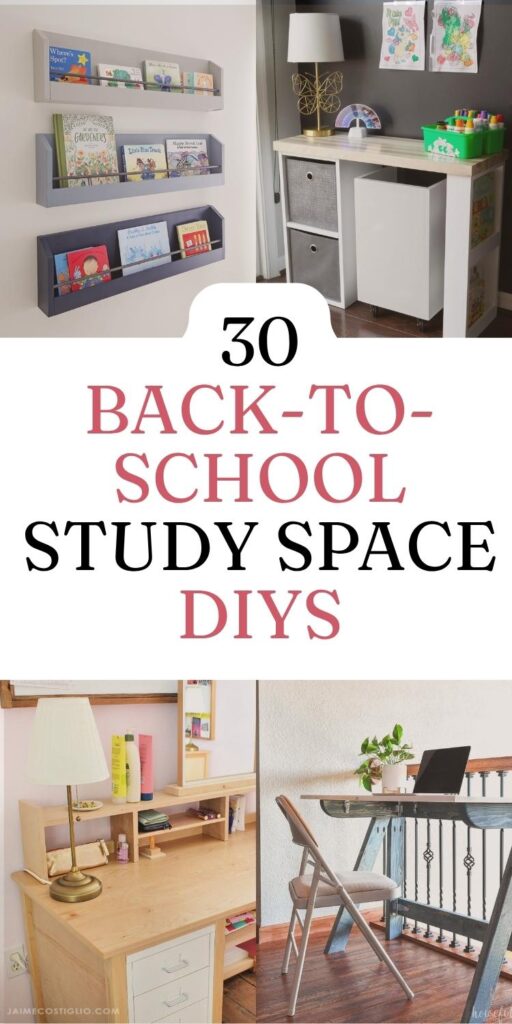
Create your student’s perfect study space with these DIY desks, storage ideas, wall organizers, and accessories.
What Should I Build Next?
That's the question I help answer. Every week, I send woodworking ideas to 17,000 DIYers who love building things.
You'd fit right in.
If your kitchen table disappears under a pile of homework every afternoon, it might be time to give the kids a study space of their own.
I rounded up 30 DIY ideas to help you build one, from simple desks and wall organizers to bookshelves and cubbies, so you can create the kind of space your kids will actually want to use.
Little Kids’ Desks
These kid-sized desks give little ones their own spot, with storage for books and supplies.
1
By Brittany Goldwyn
DIY Modern Kids Desk with Storage
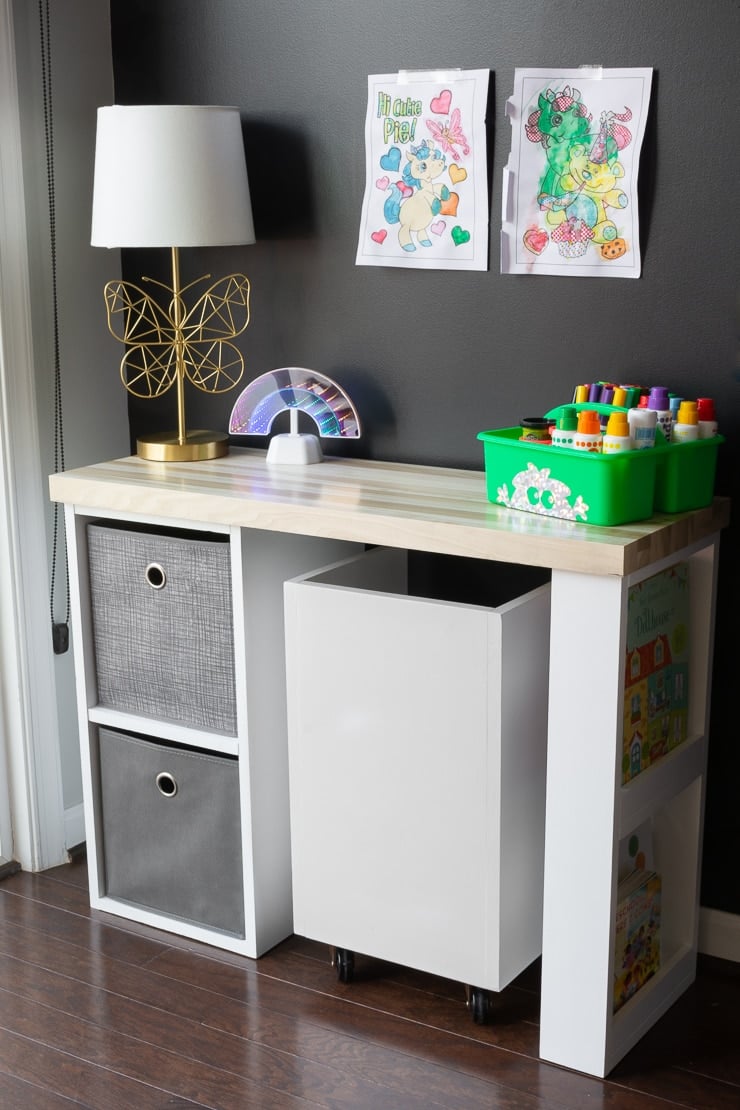
Brittany built this desk to handle her daughter’s books and the small stuff that never had a home. One leg is a stack of open cubbies with fabric bins for toys and art supplies to hide out of sight. The other leg, with a slanted ledge, holds coloring books face outward like a little library. A thick, chunky top ties the two legs together.
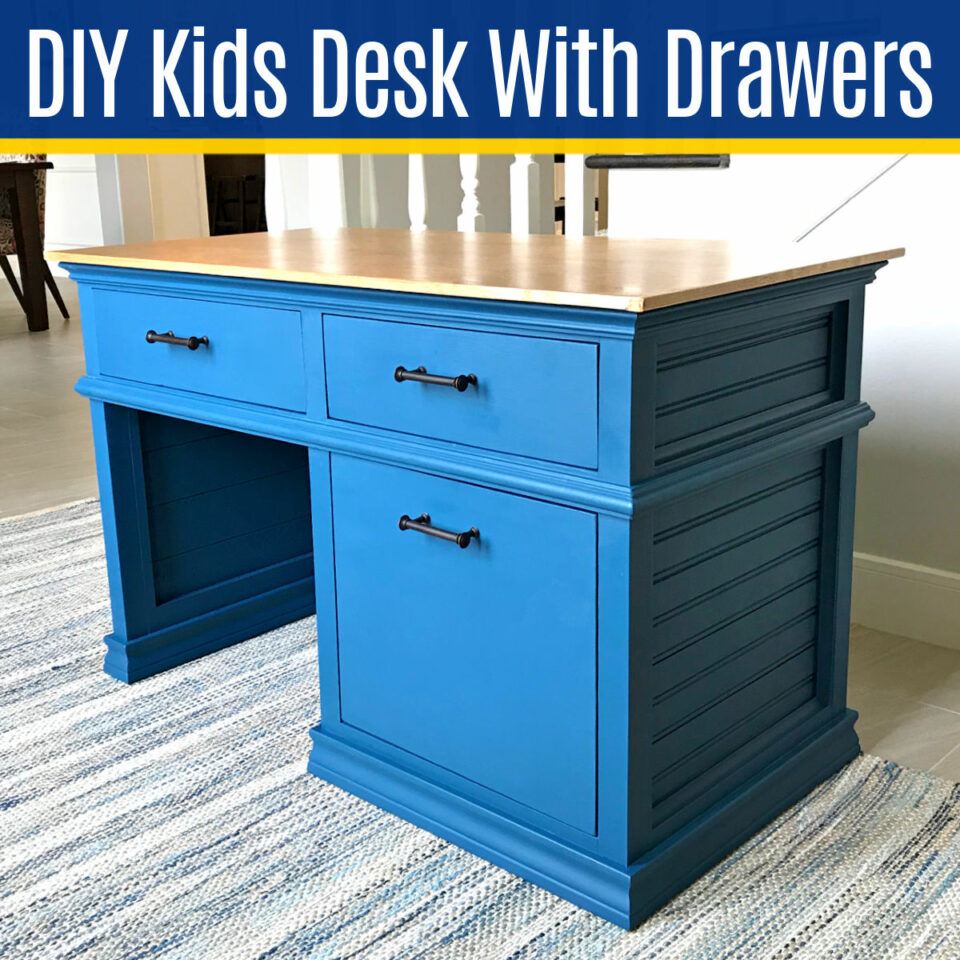
Stephanie’s kids’ desk looks more like a small piece of heirloom furniture. Three drawers store school supplies, and the seat is built right into the frame. Raised panels and trimmed edges give it that furniture-store look. It’s sized for grade-schoolers, roughly kindergarten through fourth grade.
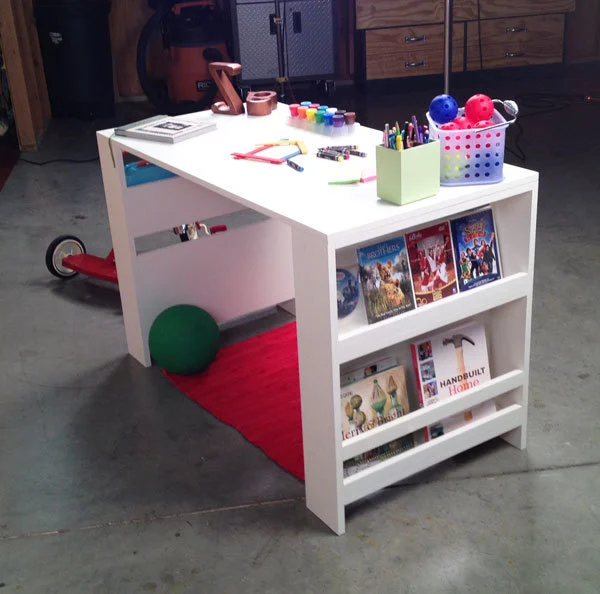
Instead of plain legs, Ana turned hers into storage. Two open bookshelves hold up each end, great for stashing books and coloring supplies. The desktop is the perfect size for drawing and homework, and it sits low enough to double as a play table once the schoolwork’s done.
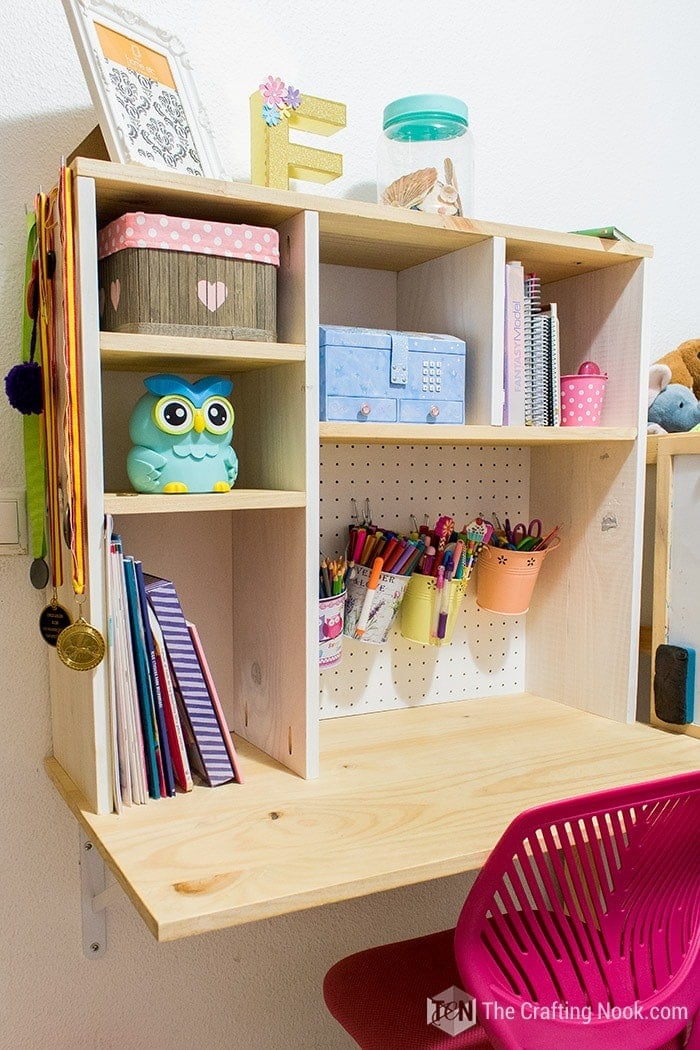
Short on floor space? Cami built a desk for her daughter that mounts to the wall and tucks into a corner. A pegboard panel sits behind for the odds and ends that pile up on a desktop.
Full-size desks for older kids and dorm rooms, with room for a laptop and textbooks.
5
Saws on Skates
DIY Library-Style Desk
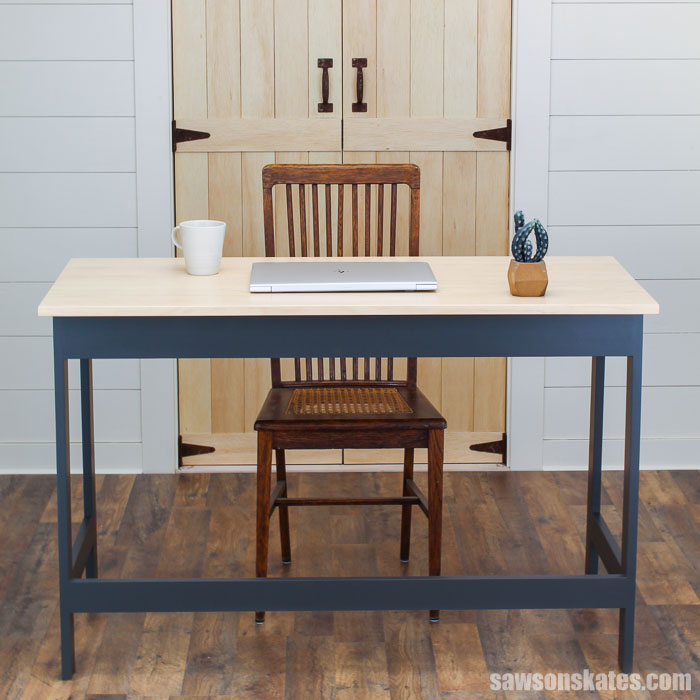
I wanted a desk that wouldn’t look like a desk once the laptop closed. This one takes its cues from an old library table: an open base in a deep near-black with a wood top, and no drawers. There’s space for a laptop, a lamp, and a coffee with room to spare.
Shara built these desks for a friend with four kids who wanted to work together some days and apart on others. Each has open shelves on one side for books and supplies, with the other side open for a chair. The real trick is that they line up: push two, three, or four together, and they become a shared pod. Set two at a right angle, and you’ve got an L-shaped desk instead.
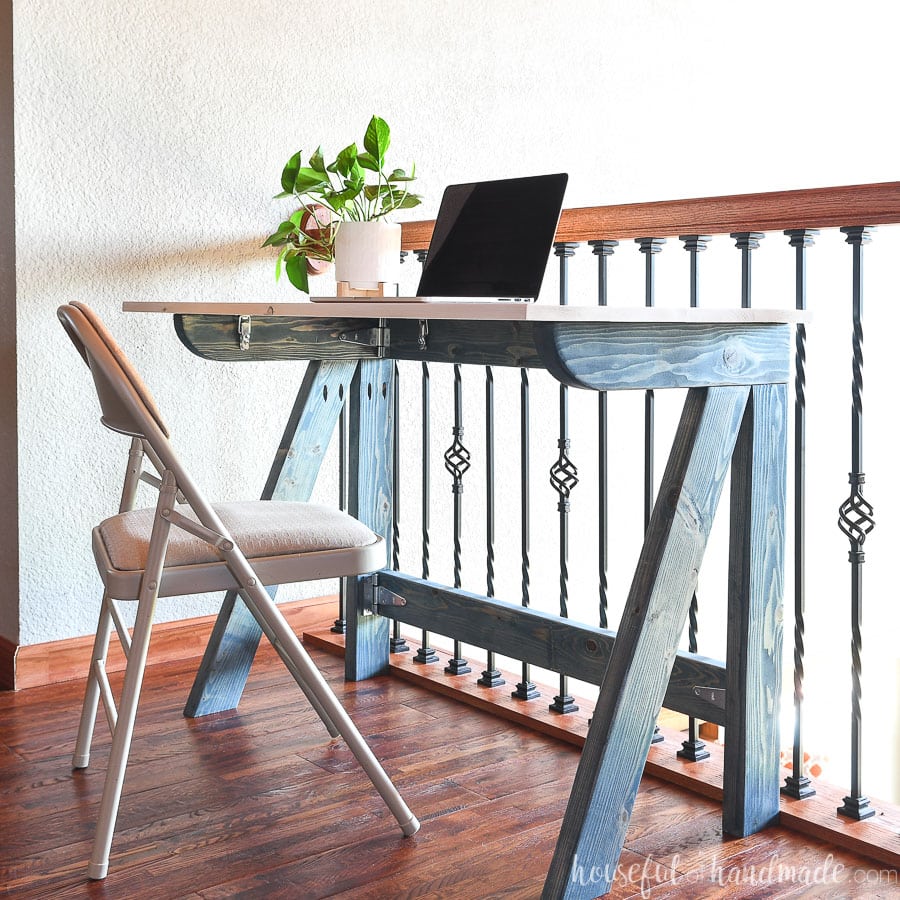
Mindi’s A-frame desk features angled legs that splay out like a capital A. It’s shallow front-to-back, so it fits against a wall without taking over the room. A pair of open shelves runs along one end for books and even a printer.
No room for a permanent desk? Kati’s version folds down to almost nothing when you’re done working. The top lifts off and the angled legs fold flat, so the whole desk slides under a bed, behind the sofa, or back into a closet until next time.
Once you’ve picked a desk, you’ll need storage for everything else: books, supplies, and the printer.
9
Saws on Skates
DIY Small Bookcase
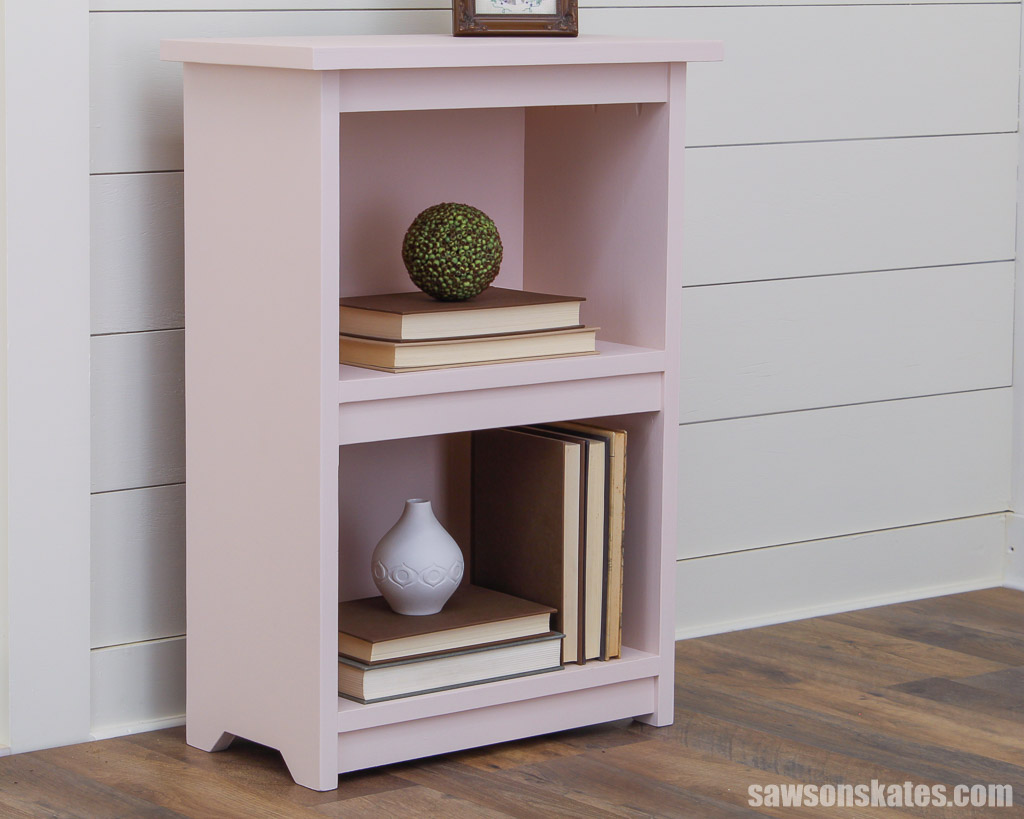
Not every room has space for a towering bookcase. I kept this one small on purpose so it slips into a bedroom corner, a kid’s room, or the end of a hallway. Two open shelves hold a stack of books or a row of binders.
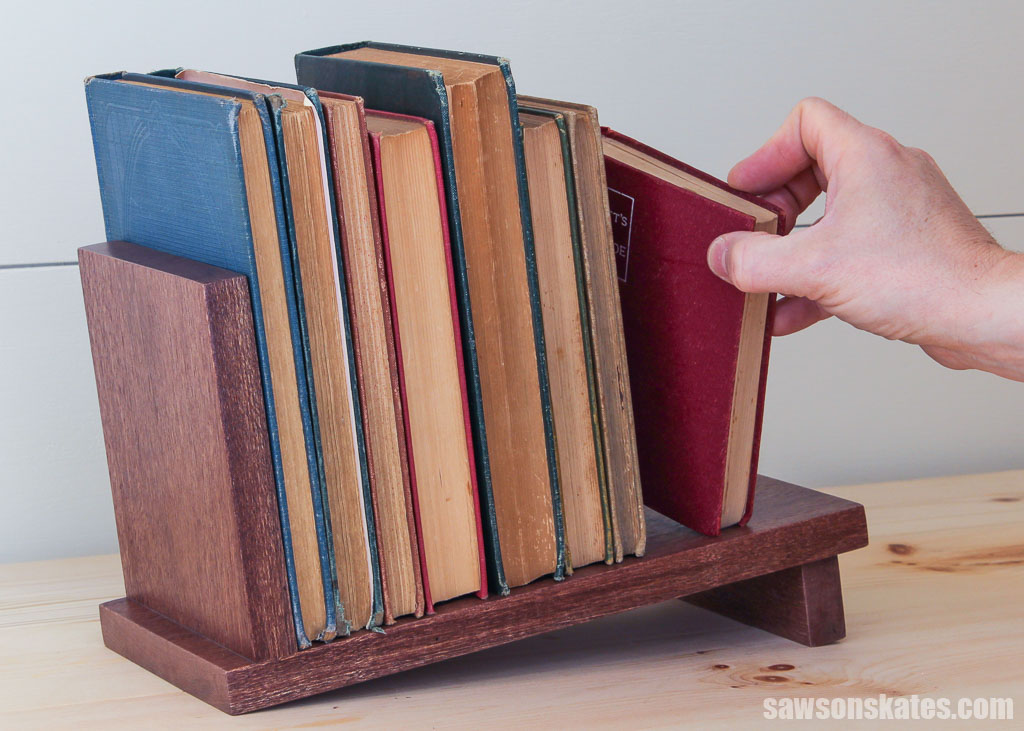
This little rack sits right on your desktop, keeping your books organized and within reach. I left the wood natural so the grain shows. Right now, we’re using it in the historical society’s library, where I volunteer.
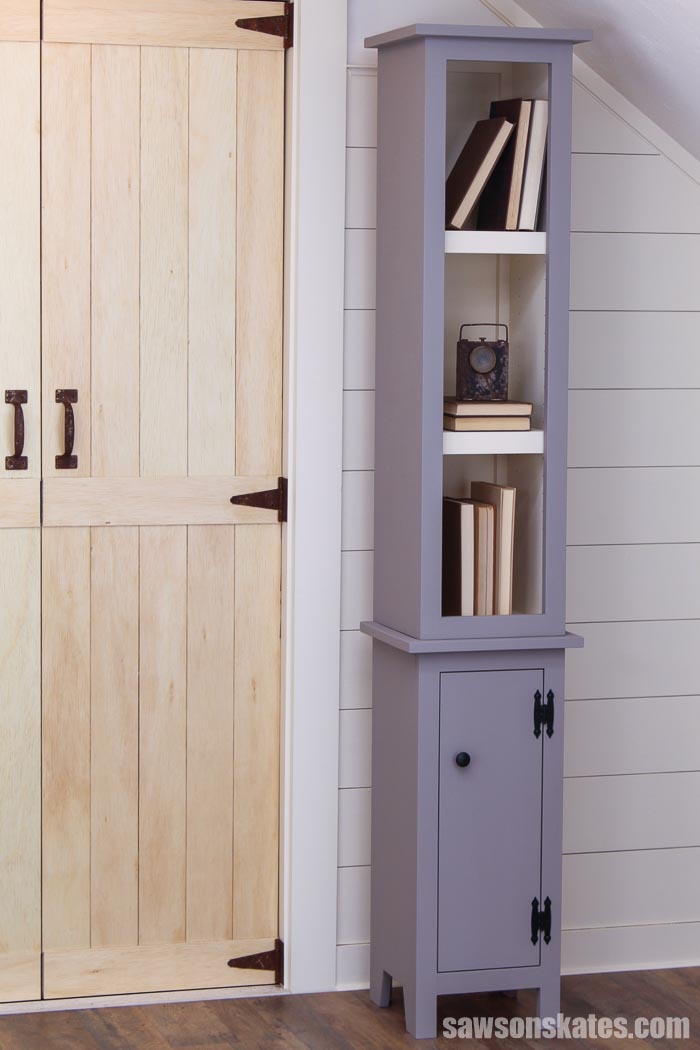
Got a spot that’s too skinny for a regular bookcase? This one’s tall and slim, with a closed cabinet below for the stuff you’d rather not look at, and adjustable shelves up top for books.
My printer didn’t have a permanent home, so I built one. This primitive-style cabinet organizes my printer, scanner, and a stack of extra paper behind the doors. Want more options? Check out these DIY printer stands.
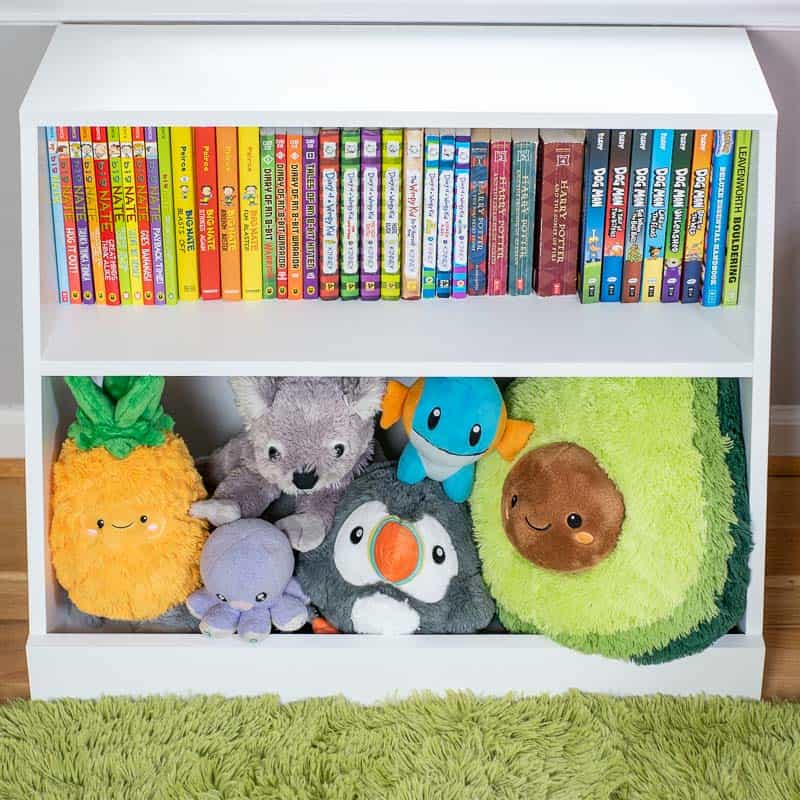
Vineta built this for her son, whose books kept getting dumped in bins on the floor. A deep bin at the bottom holds stuffed animals, and open shelves above keep his favorite books easy to spot. The sides slope back, so it looks more like furniture than a toy box.
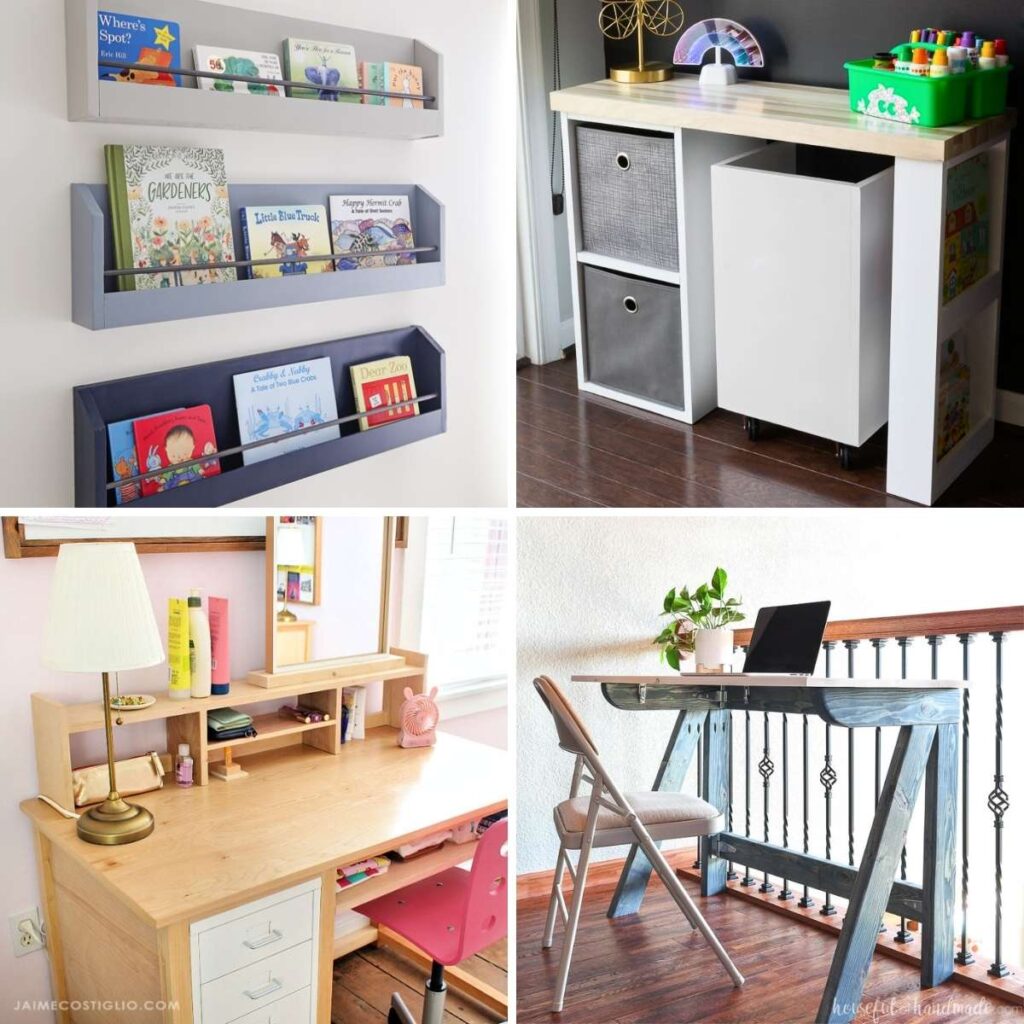
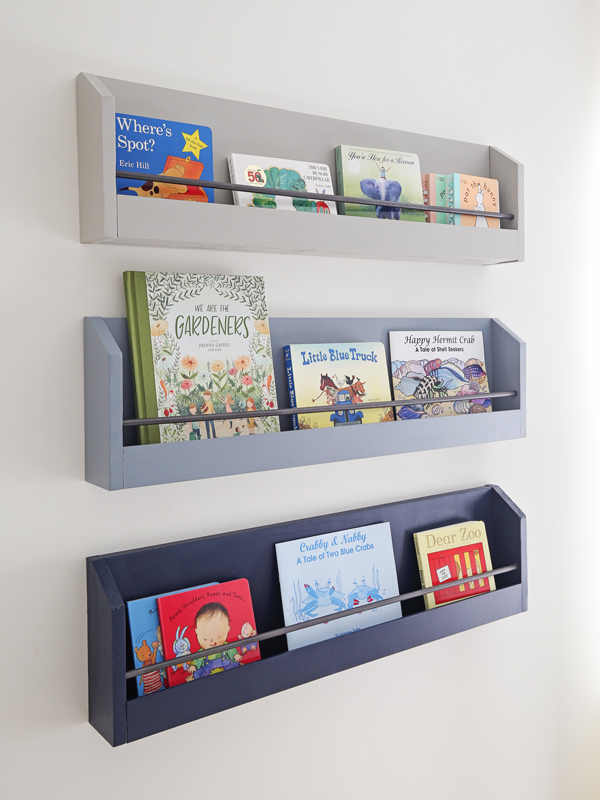
Angela made a set of three floating shelves for a reading nook, mounted right to the wall so the floor stays clear. Each one faces the books cover-out, the way a library displays picture books, with a slim rod running along the front to hold everything in place. The rods read as dark metal against the lighter shelves, which gives the set a modern edge.
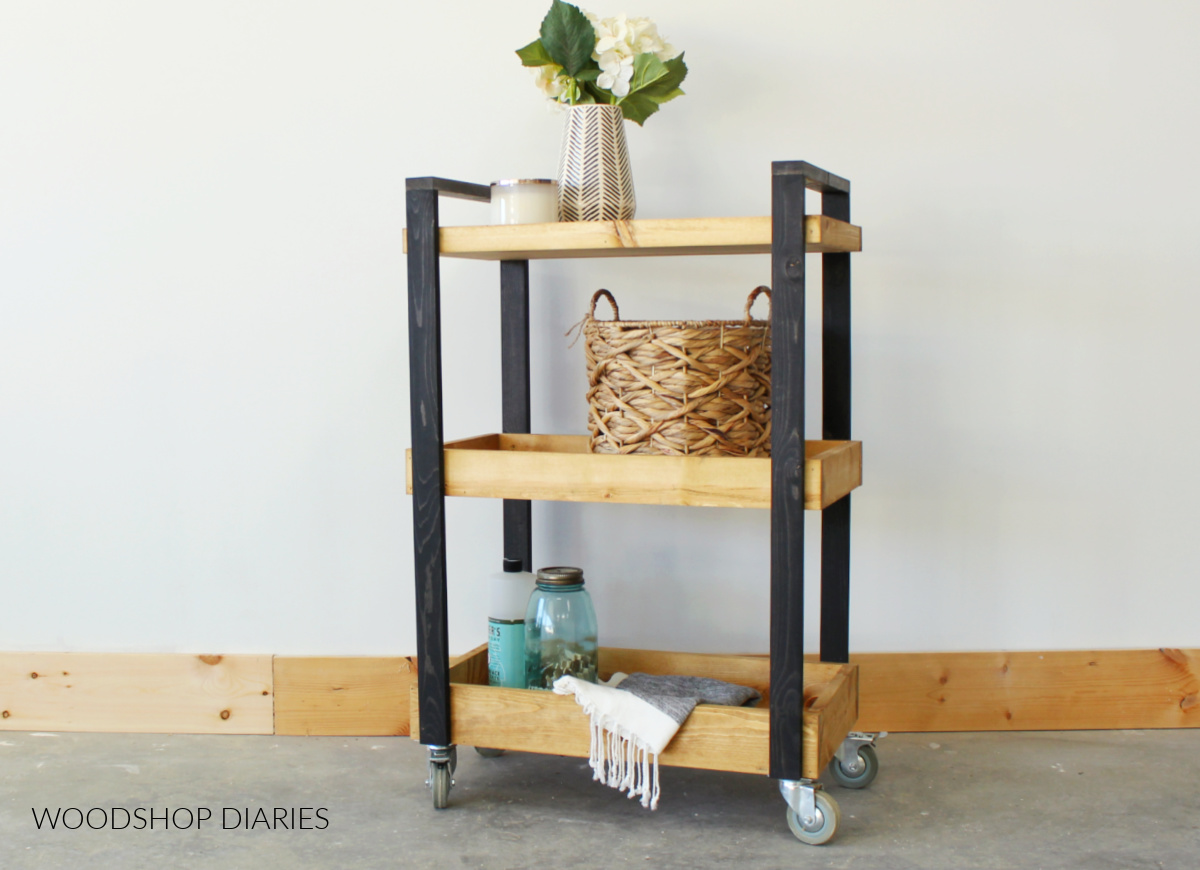
Shara’s cart rolls three trays of supplies to wherever the work is. Each tier is a different depth, shallow at the top for pens, deep at the bottom for things that tip, and a pair of handles lets you move it around.
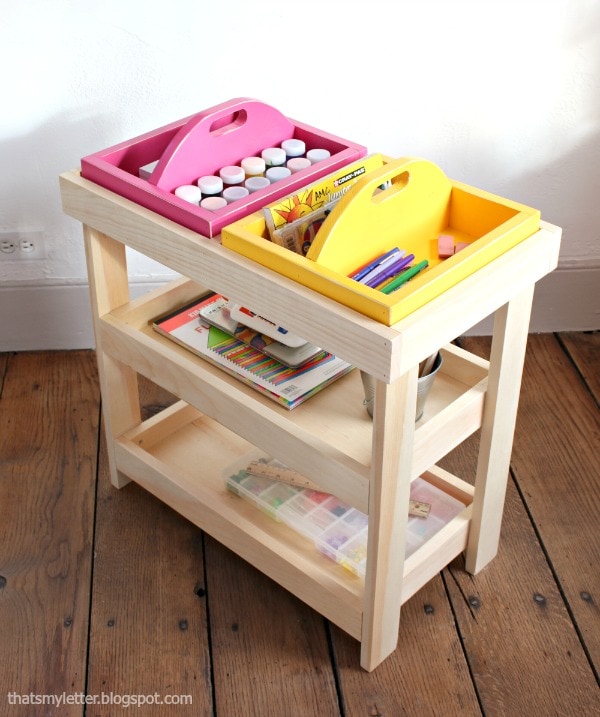
Jaime’s art cart keeps the crayons-everywhere problem in check. Open shelves hold the supplies, and a small caddy lifts off the top so a kid can carry it to the table and back.
The wall above a desk usually sits empty. Pegboards, a corkboard, and mail bins put it to work, keeping supplies in sight instead of buried in a drawer.
17
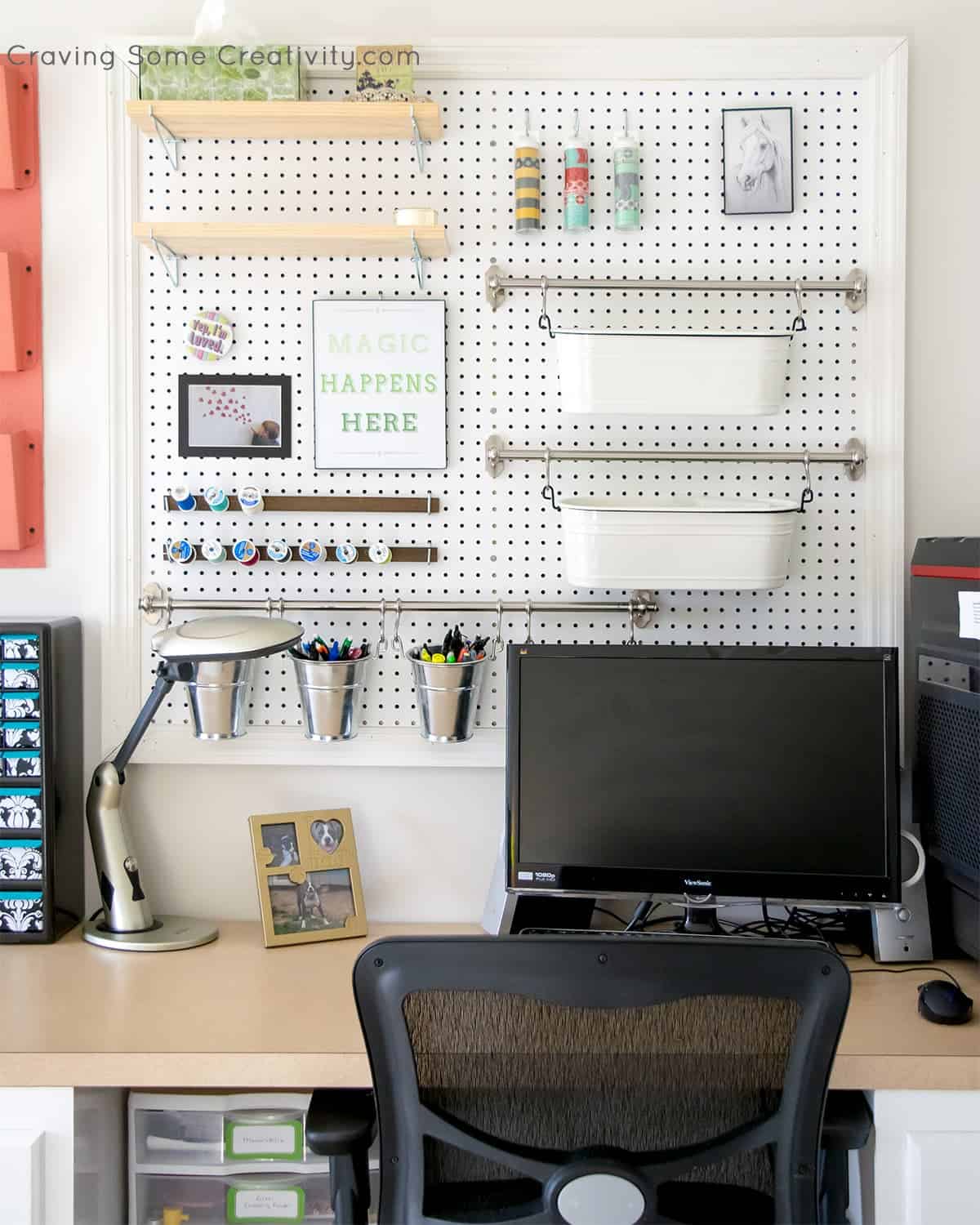
Craving Some Creativity
DIY Framed Pegboard Organizer
Rachel framed a plain pegboard with trim so it looks built-in. Baskets, cups, and a little shelf across the front hold pens, notebooks, and other supplies.
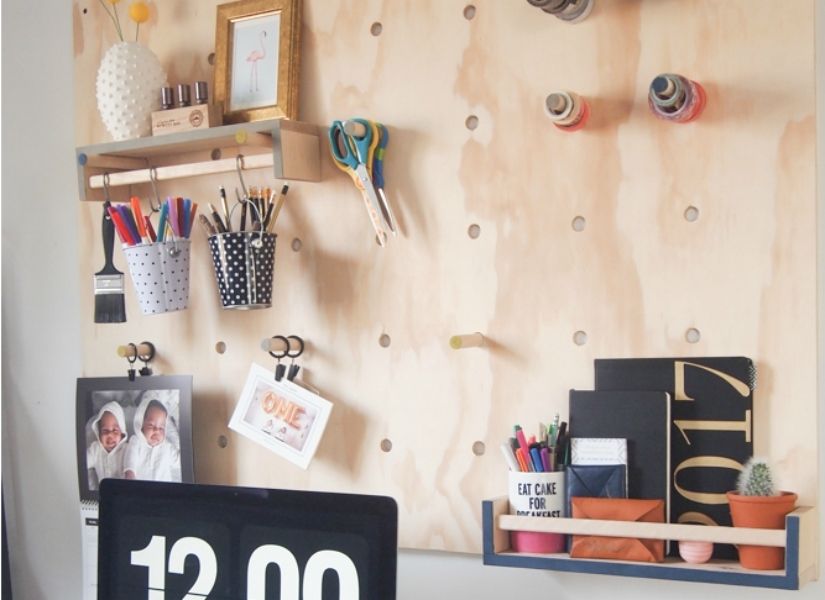
Thalita’s pegboard is a single wood panel that turns the entire wall above a desk into storage. The pegs, racks, buckets, and clips hang wherever she needs them.
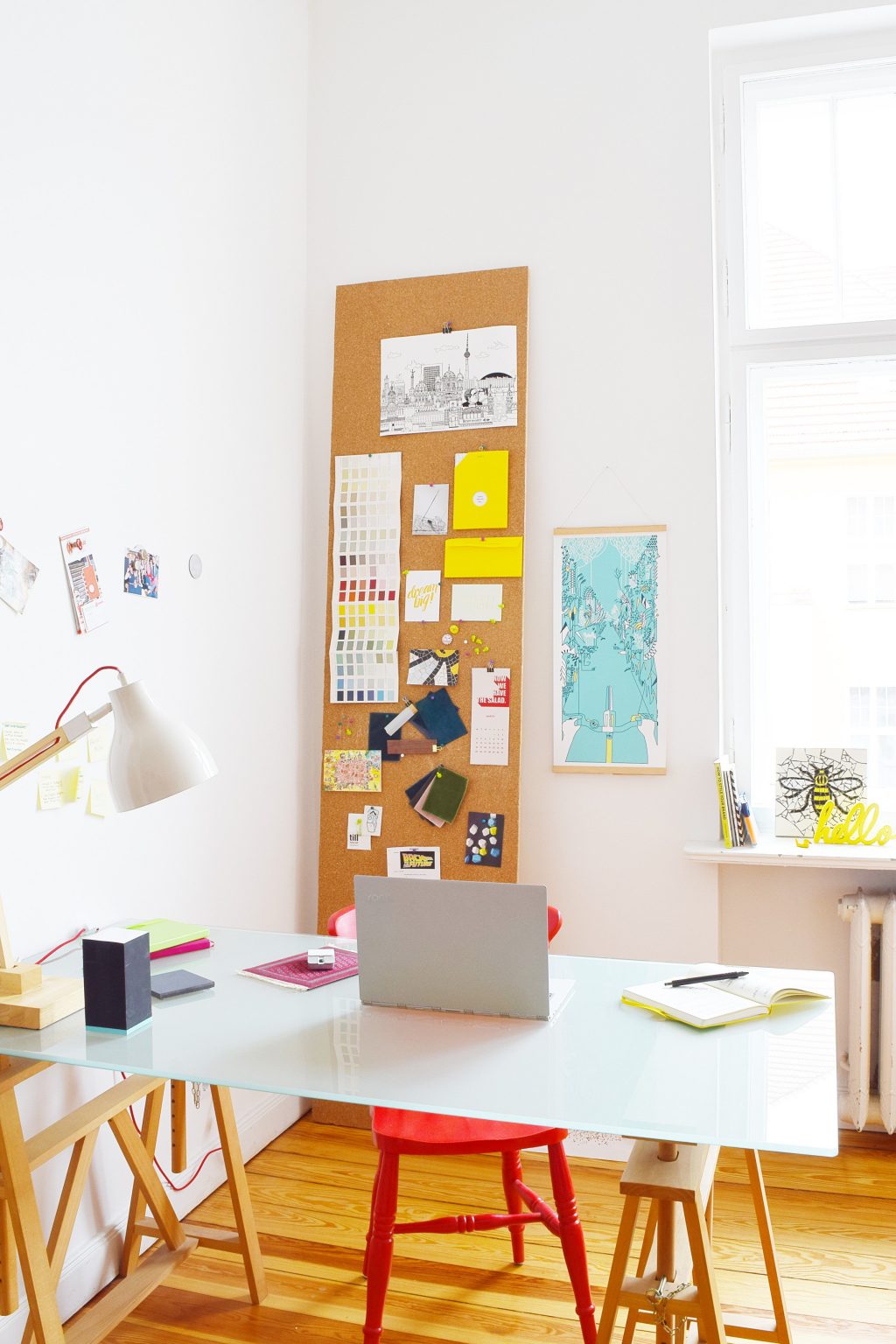
Christine’s corkboard doesn’t hang on the wall; it just leans against it. That means she can slide it around or take it to the next house, and there’s room to pin a whole mood board without running out of space.
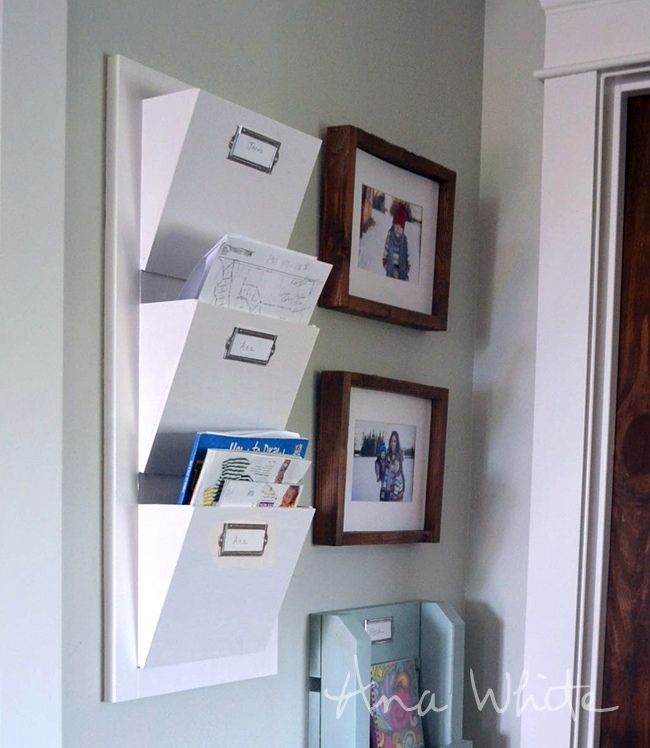
Ana’s wall bins catch the mail, magazines, and school handouts that pile up on a counter. The pockets tilt back at an angle, so everything slides in and stays upright.
The little stuff that makes a desk work: a riser for the screen, a stand for the phone, a home for the headphones and cords.
21
Saws on Skates
DIY Monitor Riser
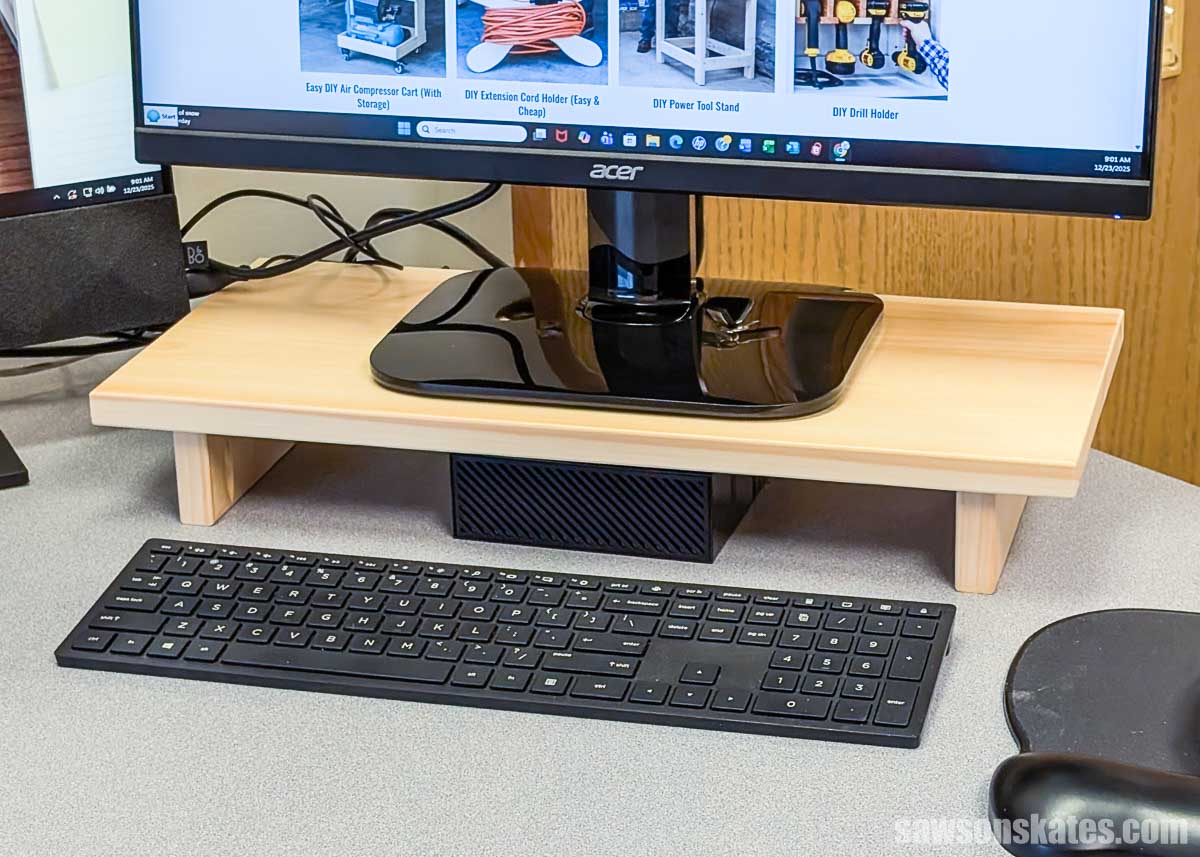
My monitor sat too low, and I spent the day hunched over it, so I built this riser. It lifts the monitor to eye level, and the top holds sticky notes and the small stuff that tends to get lost on my desk.
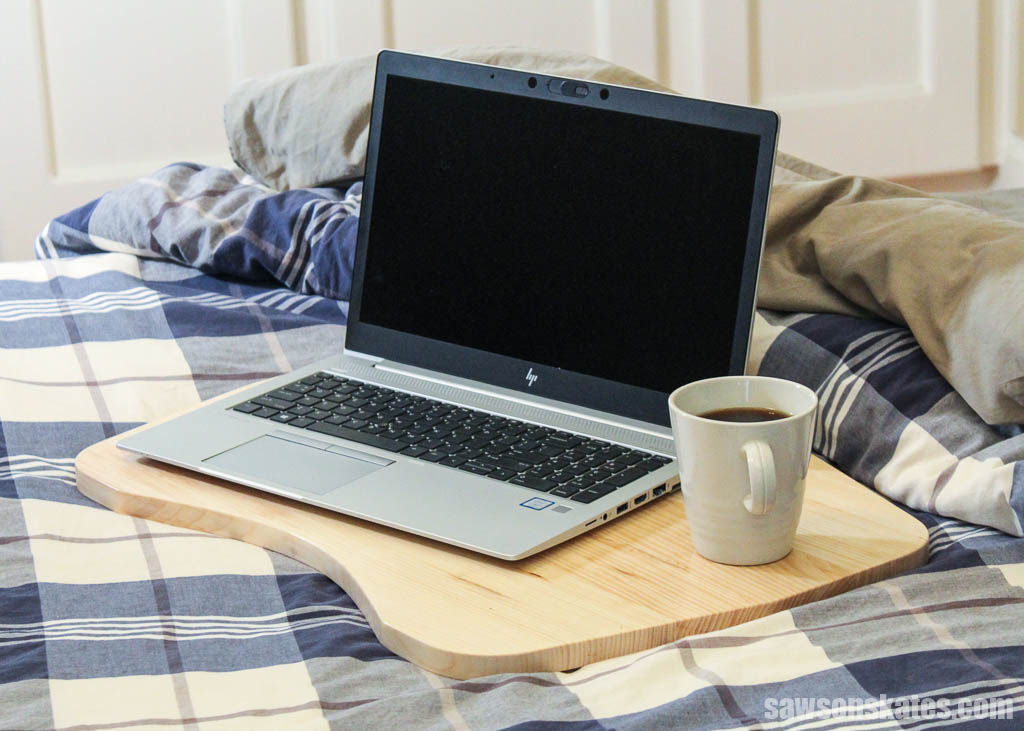
Homework doesn’t always happen at a desk. This lap desk gives you a flat surface anywhere you land, and the bottom edge curves in so it sits against you instead of digging into your legs.
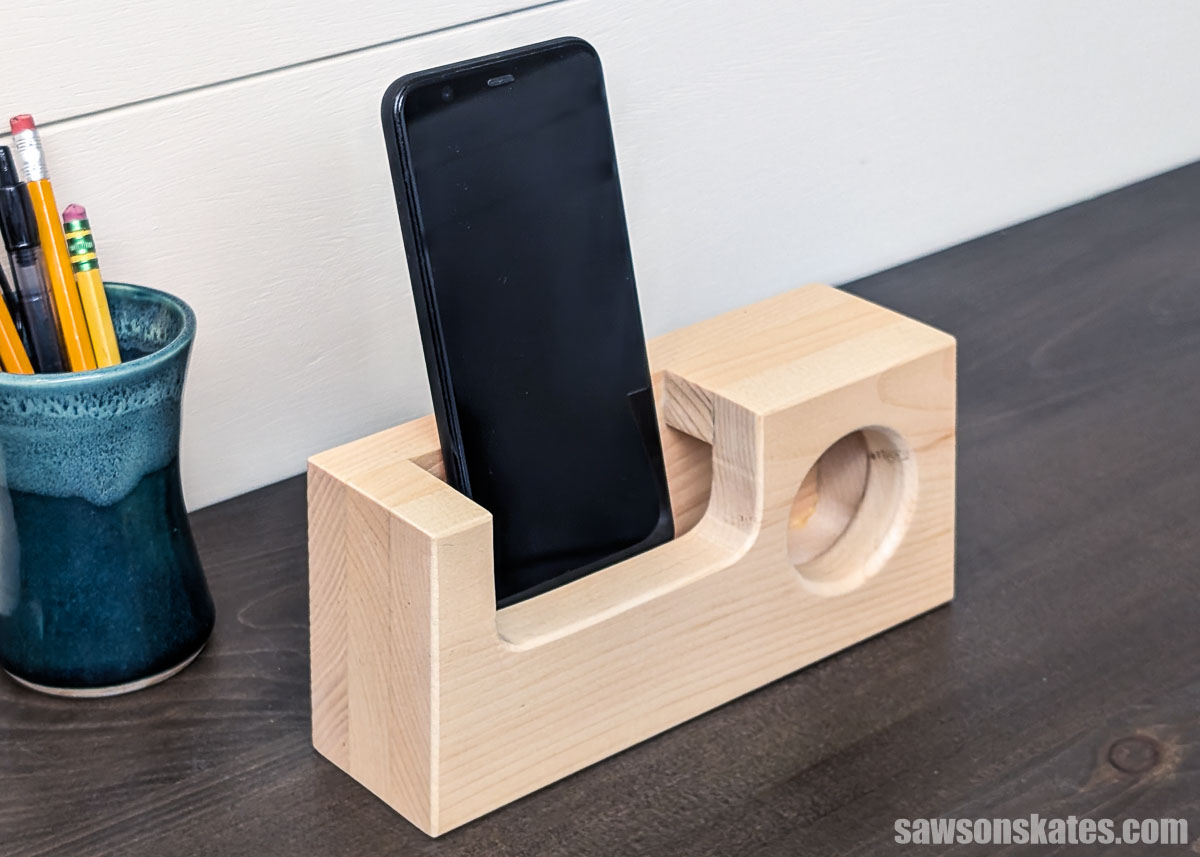
I built this amplifier to aim your phone’s sound at you, no battery or cord needed. The phone sits in a slot, and a round opening on the front catches the sound and pushes it forward.
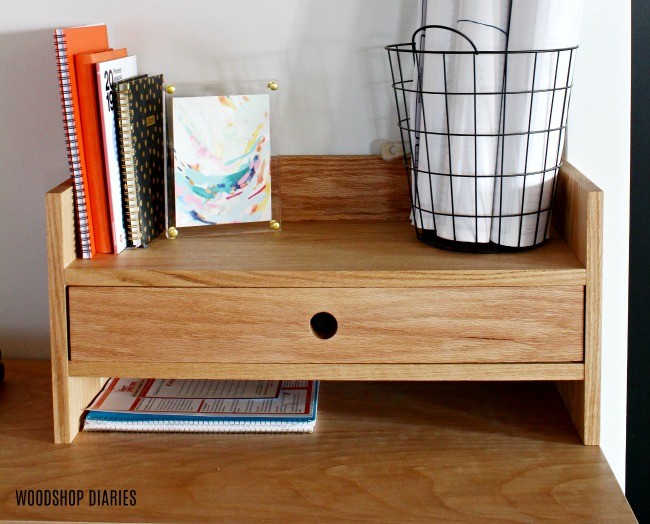
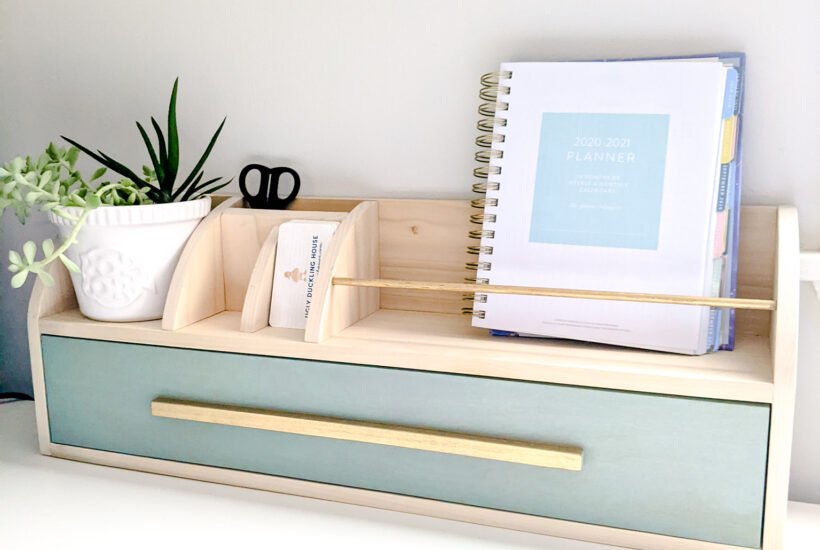
Shara’s organizer rounds up the papers and stray cords that pile up on a desk. An open cubby keeps the everyday stuff in reach, and a small drawer hides what you’d rather not see.
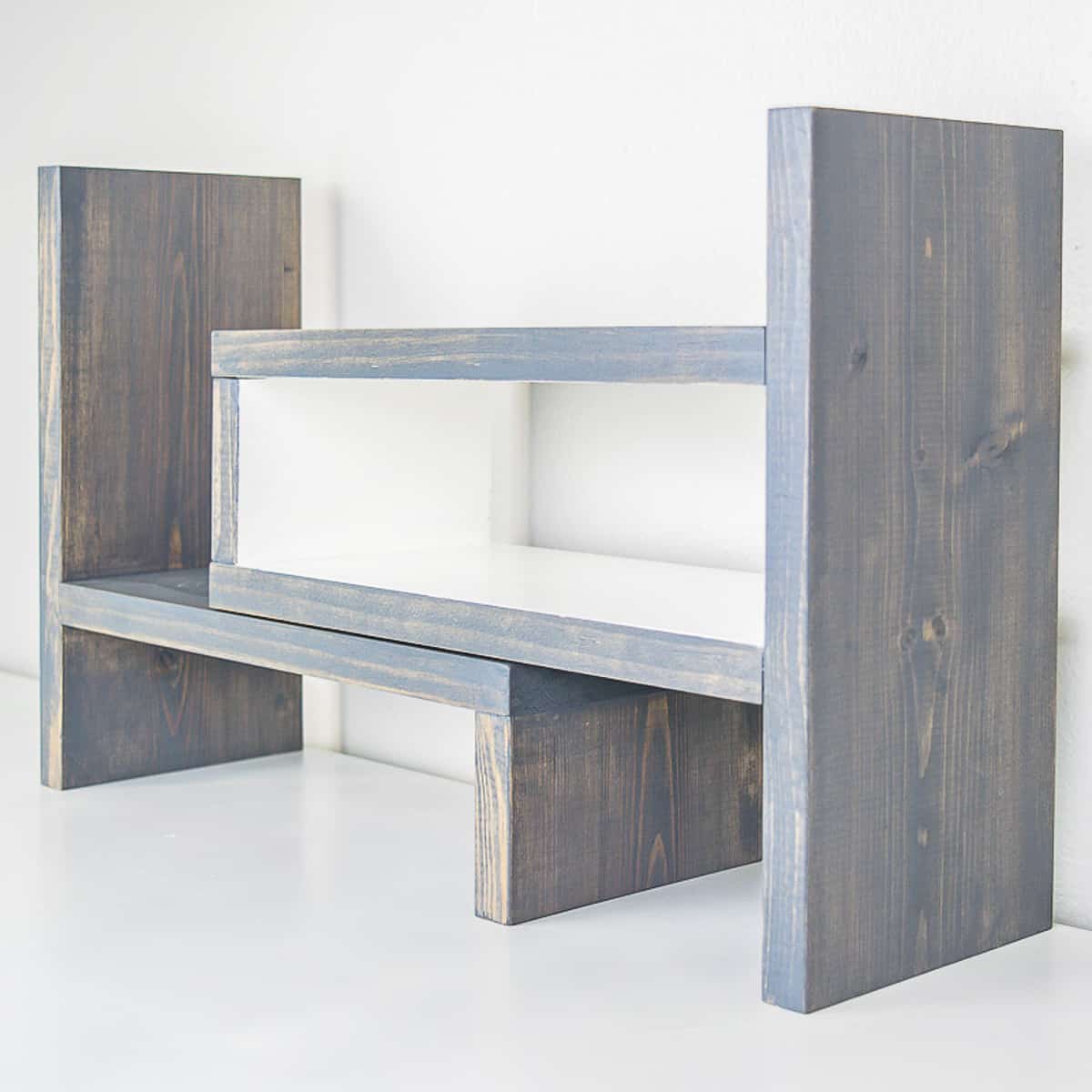
Vineta’s desk shelf changes shape to fit your space. The two stepped pieces slide apart to stretch wide, push together to stay compact, or pivot into an L for a corner.
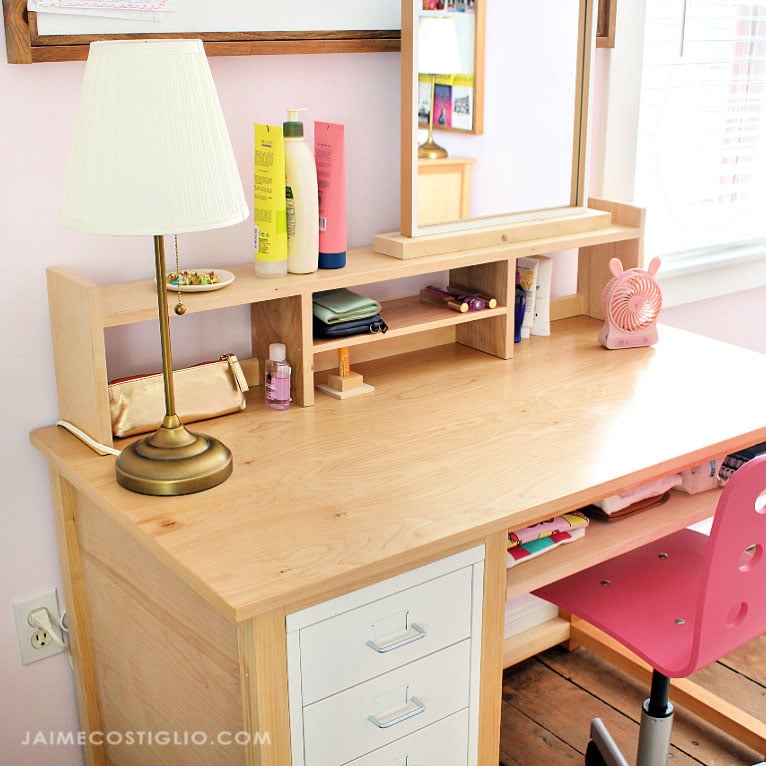
Jaime’s shelf puts the space above your desk to work. Dividers sort pens and supplies into cubbies, and one section holds a standing mirror at eye level.
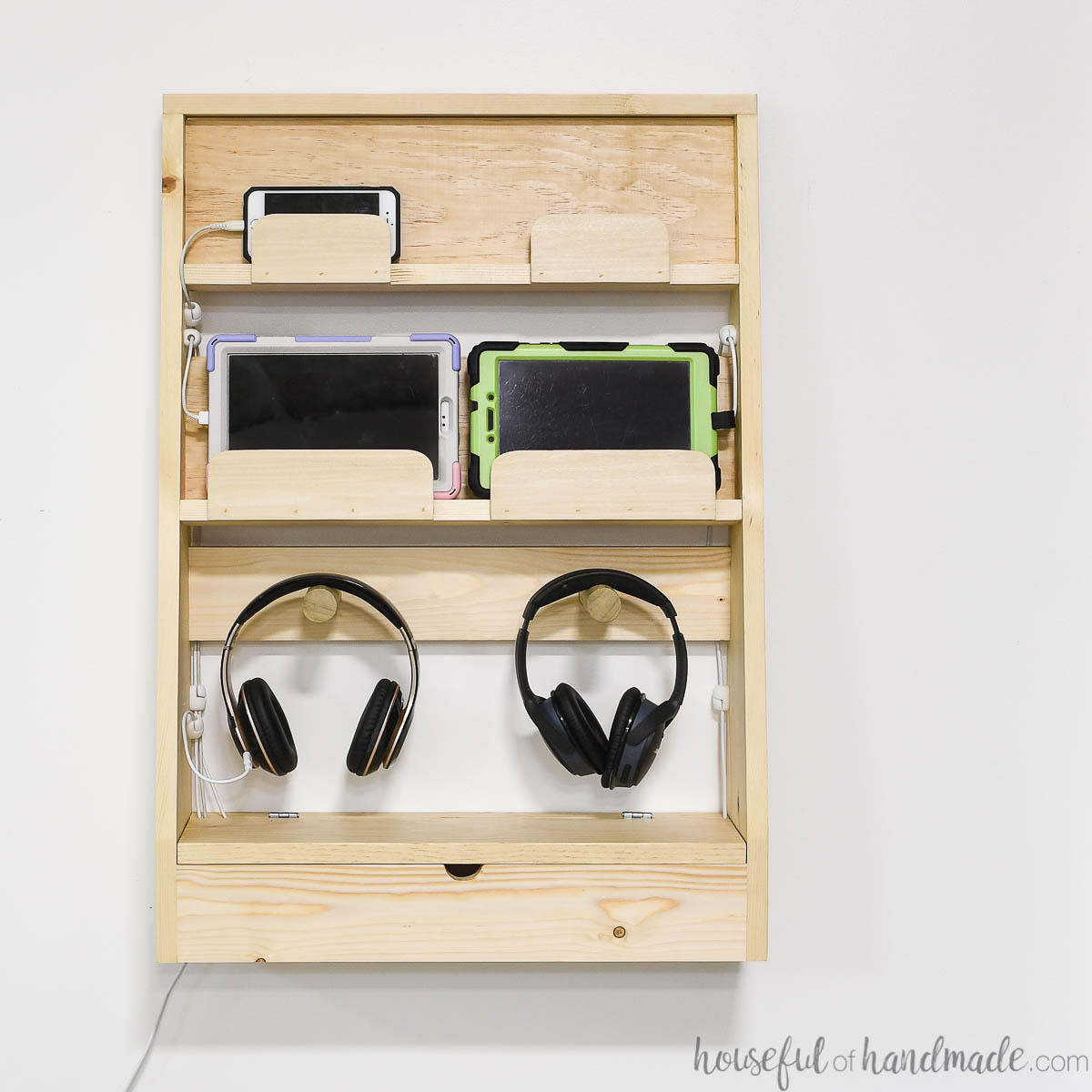
Kati’s station gives the whole family’s devices one place to charge. Angled ledges hold the phones and tablets, and a compartment at the bottom hides the power strip and cords.
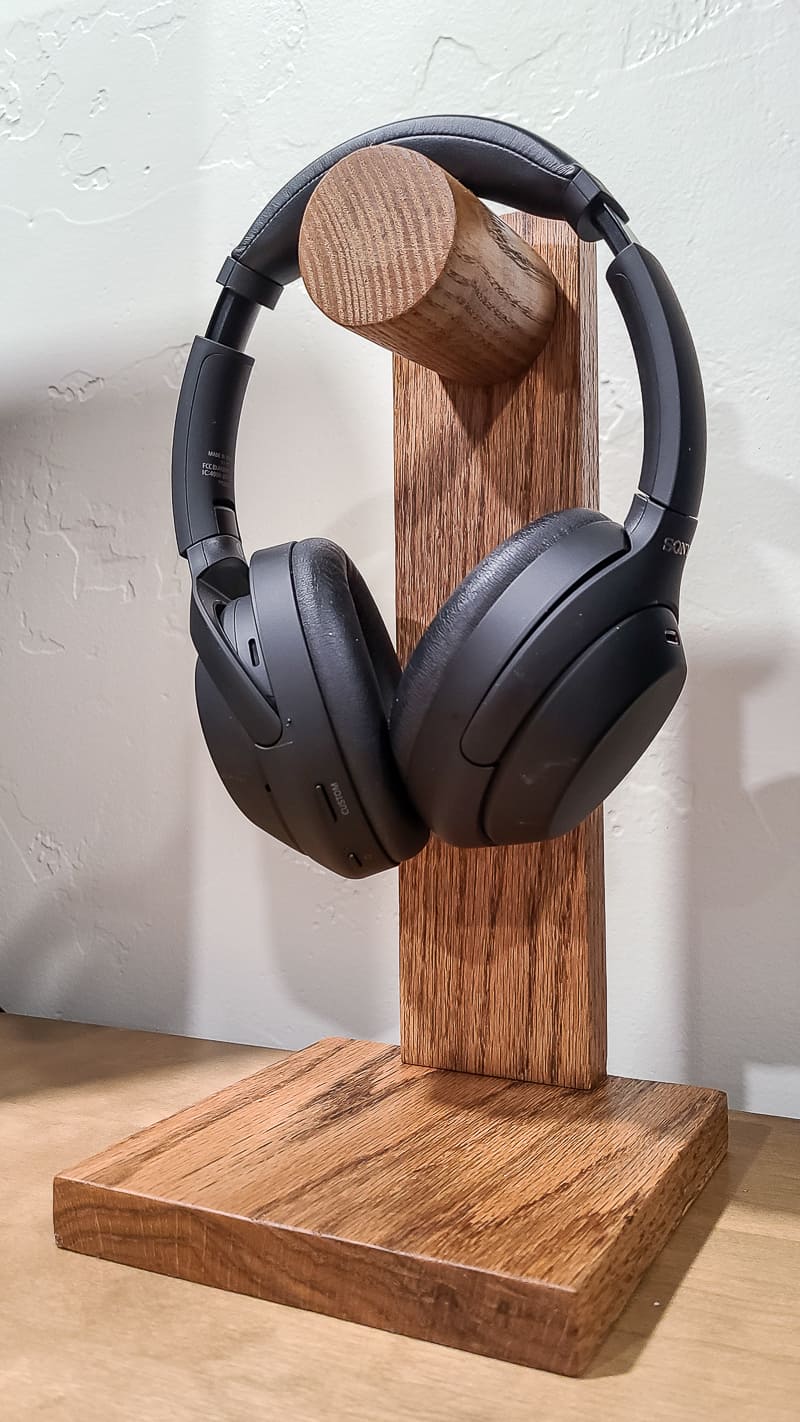
Chelsea’s stand gives your headphones somewhere to live besides the desk. An angled arm extends off a small base, keeping your headphones organized and ready to grab.
Hi there – I’m Scott, a woodworking enthusiast and creator of Saws on Skates, a site I started in 2015 to share easy-to-follow tutorials, space-saving shop tips, and project inspiration for DIYers at any skill level. Learn more about my woodworking journey here.