
Why I Use Pocket Holes Without Apologizing (And Why You Should Too)
Build confidently with pocket holes! Learn why they’re fast, strong, beginner-friendly, and perfect for real-world woodworking projects.
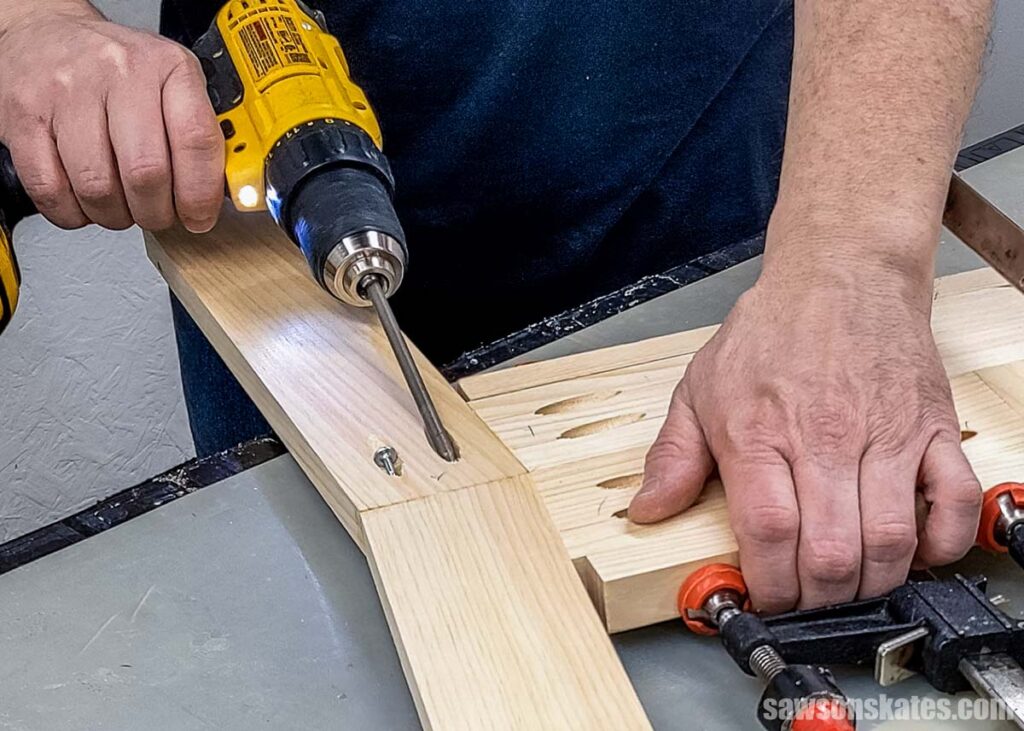
If you’ve spent any time in woodworking Facebook groups, you’ve seen it; someone posts a project they’re proud of, and bam, the pocket-hole police show up.
“You used pocket holes?”
“That’s not woodworking!”
“That’ll never last.”
You know the comments.
Here’s the thing: I use pocket holes. I like pocket holes. And I’m not apologizing for it.
They’ve helped me build furniture, cabinets, and all kinds of DIY projects faster, easier and with fewer headaches. And honestly? You shouldn’t apologize for using them either.
This article contains affiliate links. If you purchase from these links, I may earn a small commission at no additional cost to you. Visit my site policies for more information.
Pocket Holes Are a Technique (Not Cheating)
Pocket holes carry this weird stigma, like they’re some kind of shortcut for people who “don’t know real woodworking.”
Well, I’m not buying what you’re selling!
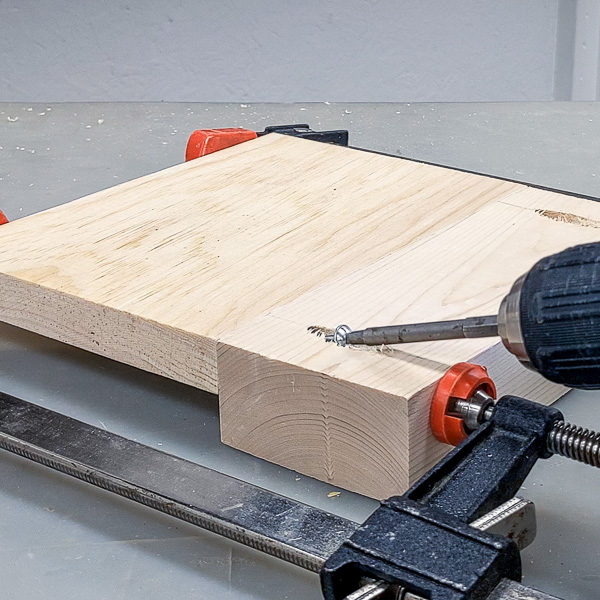
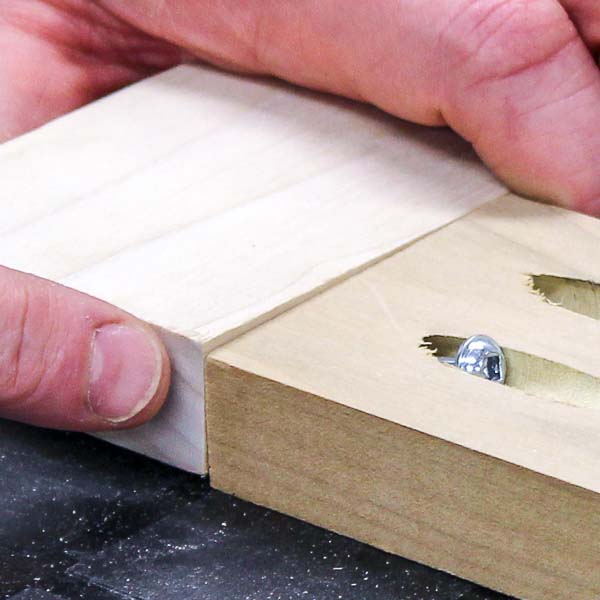
Pocket holes are just another joinery method, a technique that lets you quickly attach two pieces of wood. The screws create a strong mechanical connection, the angled hole hides the fastener, and you can assemble a joint in minutes instead of hours.
Are there fancier joints? Sure. Dovetails are beautiful. Mortise-and-tenon joints are classic. But calling pocket holes “cheating” is like saying using a table saw to make box joints is cheating because you didn’t spend hours cutting them by hand.
Woodworking constantly evolves. New tools, new methods, same goal: build something solid.
So, if you enjoy spending an afternoon fine-tuning hand-cut joinery, go for it. But if you’d rather have your nightstand assembled before your coffee gets cold, grab the pocket hole jig and don’t feel guilty about it.
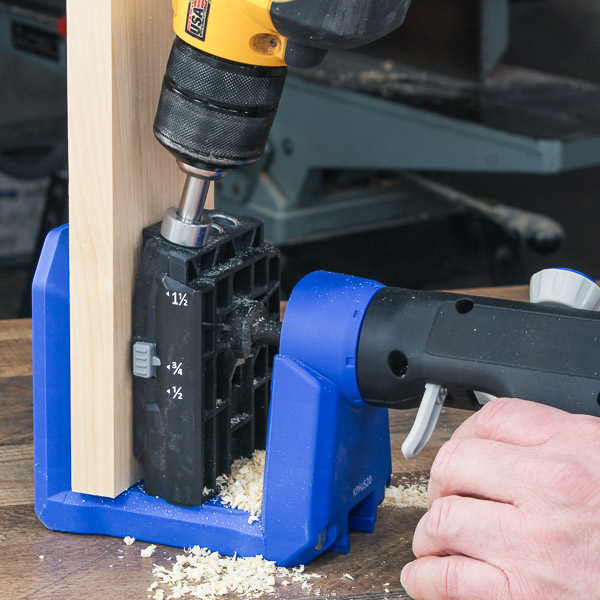
If you’ve never used one before, I’ve written a detailed walkthrough on how to use a pocket hole jig, including a few beginner pitfalls to avoid.
Why I Use Them
Pocket holes are part of nearly every project I build. I don’t think twice about it, because they just work.
Here’s why I keep reaching for them:
- Speed — get building faster. You can drill pocket holes in minutes compared to traditional joinery like mortise and tenon, dovetails, or box joints. Depending on the project, you can often build it in a weekend instead of several weeks.
- Ease — professional results without years of practice. Pocket-hole joinery doesn’t require advanced skills or fancy equipment. With a bit of setup, even beginners can get tight, clean joints right out of the box.
- The joints are stronger than you think. I’ve built furniture, cabinets, and shop workstations that have been used every day for years, all held together with pocket holes. No failures. No regrets.
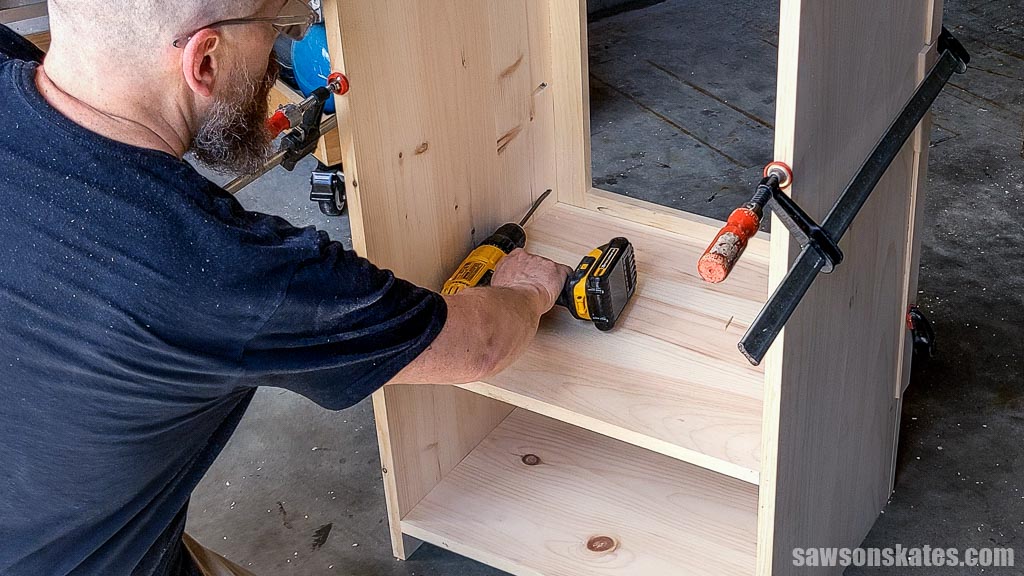
Real-World Benefits
Pocket holes don’t just save time, they keep me building.
I’ve lost count of the projects I would’ve abandoned if I’d insisted on traditional joinery every time. Pocket holes remove the friction between “idea” and “done.”
They mean:
- Less frustration
- More time actually building
- Projects that get finished instead of half-started
If you’re a weekend DIYer, that’s huge. After a long week, you want to see progress, not spend an hour fixing alignment issues or waiting for glue to dry.
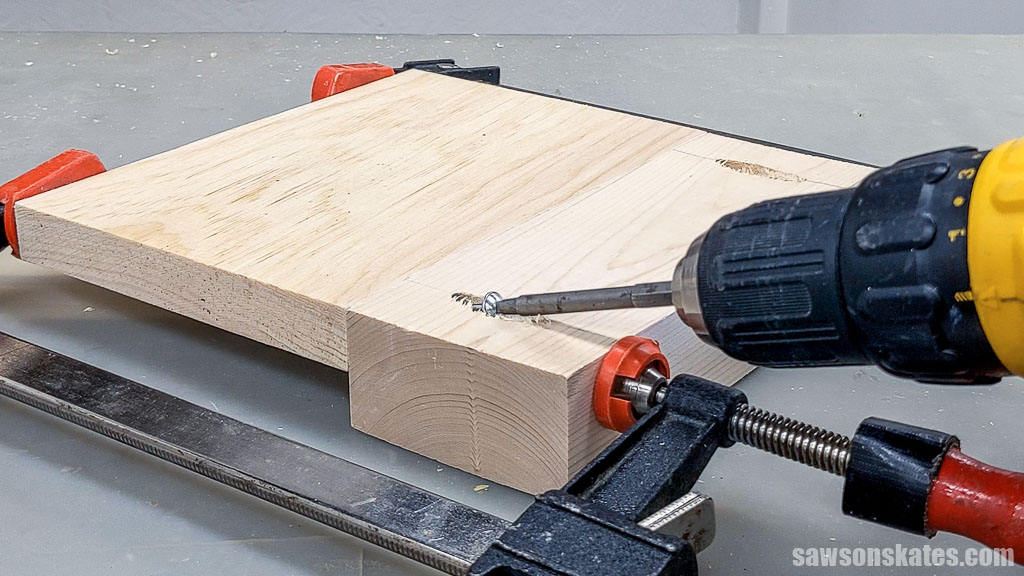
They’re also incredibly versatile. You can even join boards of different thicknesses with pocket holes, perfect when you need to join a 2×4 to a 1×6.
Are They Strong Enough?
Short answer: yes, when used correctly.
Are they right for every project? No.
Like any joinery method, pocket holes have limits. For example, they’re not the best choice for building a house.
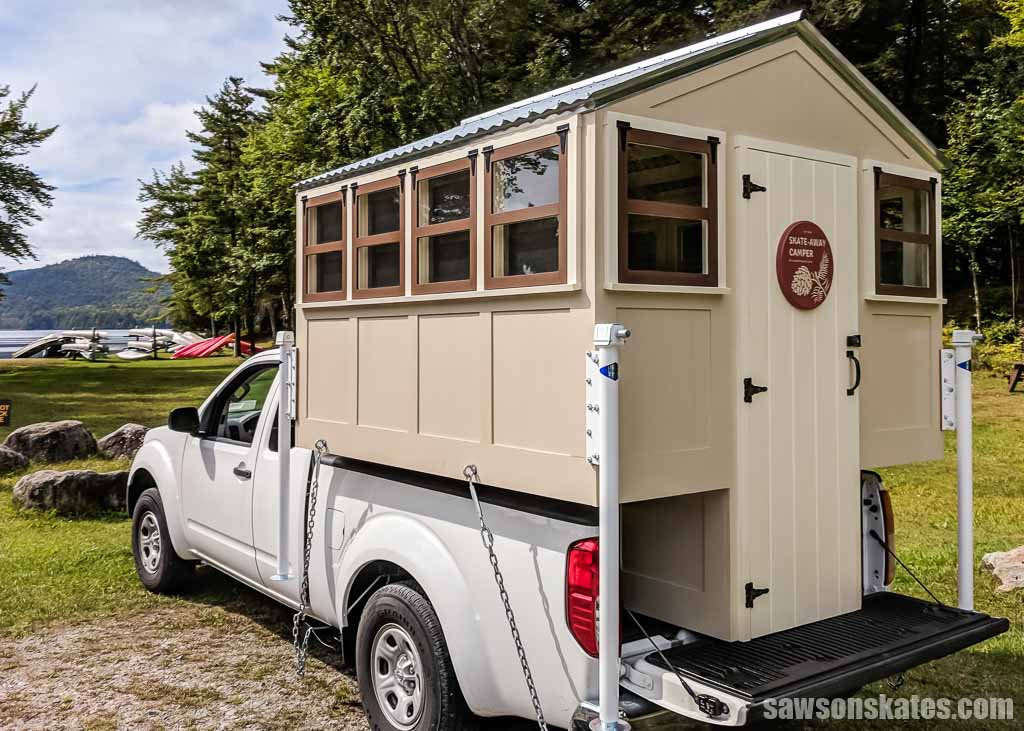
But for 90 percent of everyday furniture, cabinets, and shop projects, they’re more than strong enough. I even used them to assemble my DIY truck camper, which travels down the road at speeds of 60 miles per hour or more!
Pocket screws create a mechanical lock, and when paired with glue, the joint becomes surprisingly durable. In most cases, the wood itself will fail before the pocket hole joint does.
It’s Not a Competition
Woodworking isn’t a competition. There’s no trophy for spending three extra hours on a hidden joint just to make strangers on the internet happy.
Traditional joinery is beautiful, strong, and worth learning. But there’s also value in modern, efficient methods that make woodworking accessible to more people.
The truth is, I often use both. I might build a face frame with pocket holes, then use dadoes or rabbets for the carcass. Each technique has its role. The magic happens when you combine them thoughtfully.
And when appearance matters, it’s easy to hide the evidence. I’ve got a tutorial on making pocket hole plugs that blend right in with your project; no one will ever know how you joined it.
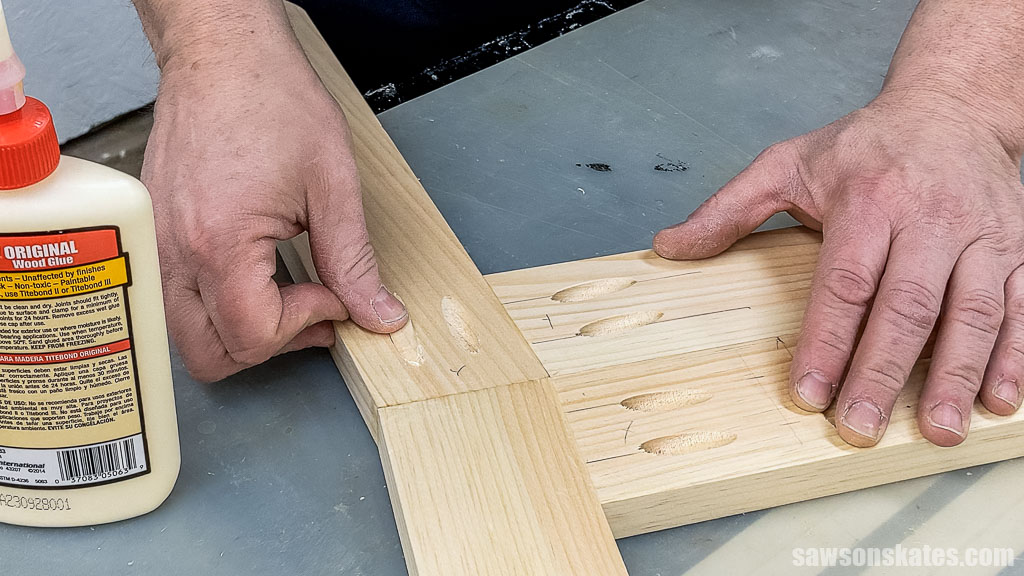
Why Beginners Should Try Them
If you’re new to woodworking, pocket holes are your best friend. They build confidence. You can design, cut, and assemble something solid without worrying about complex joinery or expensive tools.
You’ll learn about grain direction, alignment, and measuring, all the fundamentals, while still ending up with a project you can be proud of.
And that’s the point. Pocket holes don’t just make woodworking easier; they make it possible for people who might otherwise never pick up a saw.
Once you’ve built a few projects, you can always branch out into other techniques. But you’ll never forget how freeing it felt to make something that looked good and worked well right from the start.
It’s Not About “Right” or “Wrong” Joinery
Woodworking should be about creating, not conforming. Whether you’re cutting dovetails by hand or drilling pocket holes with a jig, the result should make you happy.
The only “wrong” way to build is the way that stops you from enjoying the process.
Pocket holes let me keep that joy alive. They’re practical, reliable, and let me focus on the part I love most: designing, building, and sharing projects that inspire others to start making sawdust, too.
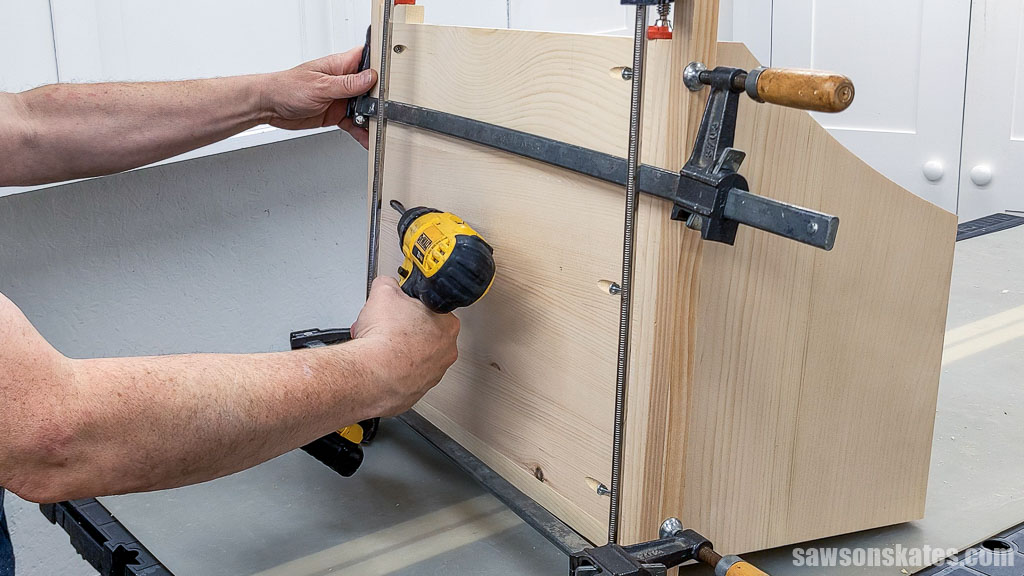
Try Them — No Apology Needed
If pocket holes help you:
✅ Build more
✅ Finish projects faster
✅ Enjoy woodworking more
…then they’re doing exactly what they’re supposed to.
There’s no shame in using the tools that make your shop more efficient and your projects more rewarding.
Woodworking should be fun, not a purity test. Build what you want. Use the tools you have. And don’t let anyone tell you that enjoying the process is wrong.
No apologies needed.
Easy Pocket Hole Projects to Try
If you’re ready to put pocket holes to work, here are a few of my most popular beginner-friendly builds that prove how versatile they can be.
Toolbox with Drawer
This compact storage box works great in any shop and goes together fast with pocket holes. It’s sturdy, practical, and a great way to practice making accurate joints on smaller parts.
Tool Stand
Need a spot for your miter saw, drill press, or benchtop sander? This simple tool stand uses pocket holes for both strength and speed. It’s one of those “weekend builds” that instantly makes your shop more organized.
Air Compressor Cart
Rolling storage, cord wrap, and shelf space, all built with pocket holes. It’s strong enough to haul your compressor and accessories, but easy enough to move wherever you need it.
Each of these projects comes together quickly with just a few boards, a jig, and a box of screws. They’re proof that pocket holes can handle everything from lightweight shop storage to rolling, hard-working furniture.
Final Thoughts
When it comes down to it, pocket holes are just plain practical. They help you build more, stress less, and actually finish the projects you start. They don’t make you less of a woodworker; they make you one who gets things done.
From a simple toolbox to a rolling shop cart, or even my truck camper that’s driven down plenty of highways, pocket holes have proven themselves over and over.
So don’t overthink it. Grab your jig, drill a few holes, and get building. The satisfaction of finishing something with your own two hands will always beat chasing approval online.
No apologies. Just sawdust and progress.
Pin This For Later

Hi there – I’m Scott, a woodworking enthusiast and creator of Saws on Skates, a site I started in 2015 to share easy-to-follow tutorials, space-saving shop tips, and project inspiration for DIYers at any skill level. Learn more about my woodworking journey here.